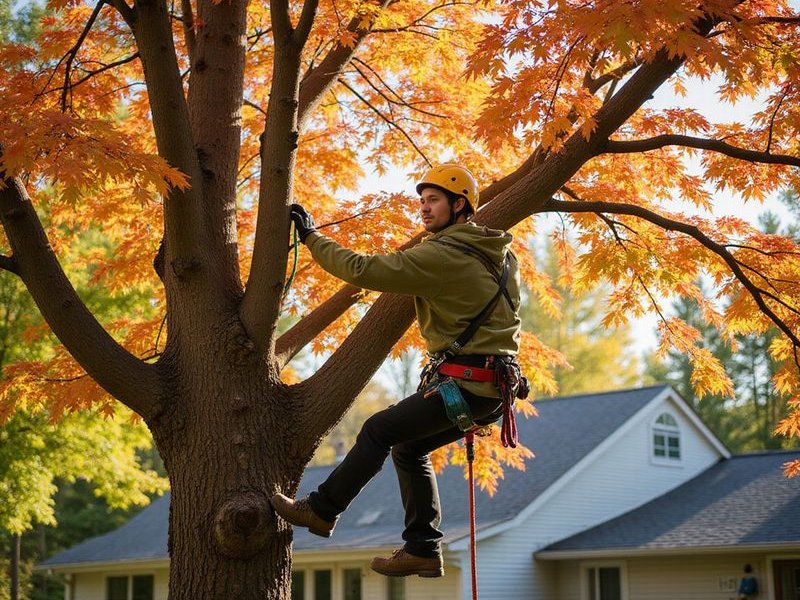
Expert Tree Trimming & Pruning in Duluth
Expert tree trimming and pruning by an ISA Certified Arborist. Crown thinning, deadwood removal, clearance pruning, and structural pruning in Duluth, MN.
What Is Professional Tree Pruning?
Professional tree pruning is the selective removal of branches to improve a tree’s health, structure, safety, and appearance. It is one of the most important — and most commonly botched — tree care practices. At Northshore Tree Service, every pruning job is directed by ISA Certified Arborist Erik Janssen, who applies industry-standard techniques that protect your trees rather than damage them.
True pruning goes far beyond simply cutting back branches that seem too long. Each cut serves a specific purpose: removing deadwood to prevent decay, thinning the crown to improve light penetration and airflow, reducing weight on overextended limbs, raising the canopy for clearance, or shaping young trees for a strong structural future. Our arborist identifies exactly what each tree needs and executes a plan that delivers results you can see for years.
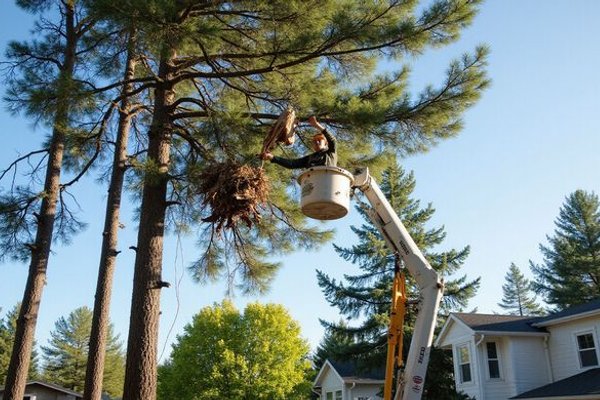
We serve properties throughout Duluth, Hermantown, Proctor, and the North Shore communities, bringing our 65-ft bucket truck and professional climbing equipment to handle trees of every size and location.
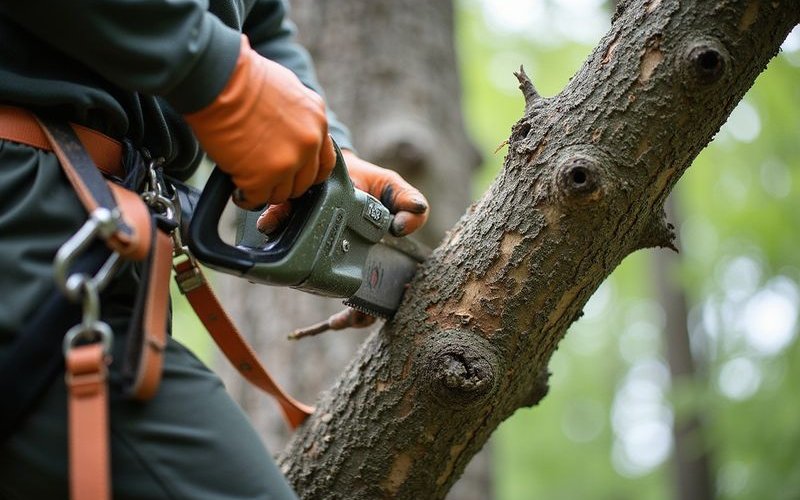
Types of Pruning We Perform
Crown Cleaning
Crown cleaning is the removal of dead, dying, diseased, and broken branches from the tree’s canopy. This is the foundation of good tree care and should be the starting point for any pruning job. Dead branches harbor decay fungi, attract wood-boring insects, and eventually fall — often at the worst possible time. Regular crown cleaning keeps your trees healthy and your property safe.
Crown Thinning
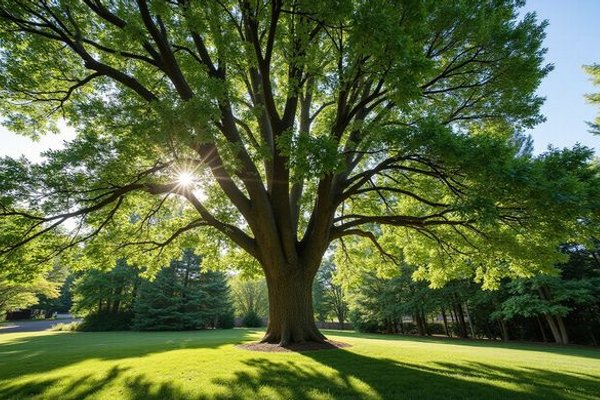
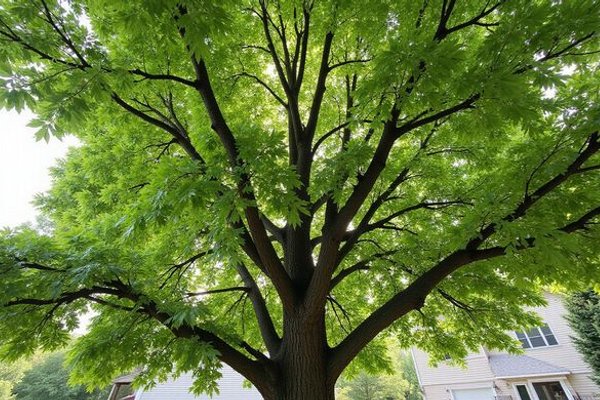
Crown thinning selectively removes live interior branches to reduce canopy density, improve light penetration, and allow wind to pass through rather than catching the crown like a sail. This is especially important for Duluth properties, where Lake Superior storms and November gales generate extreme wind loads. A properly thinned canopy is far less likely to suffer catastrophic wind damage. We never remove more than 25% of live canopy in a single pruning cycle, following ISA best practices.
Clearance Pruning
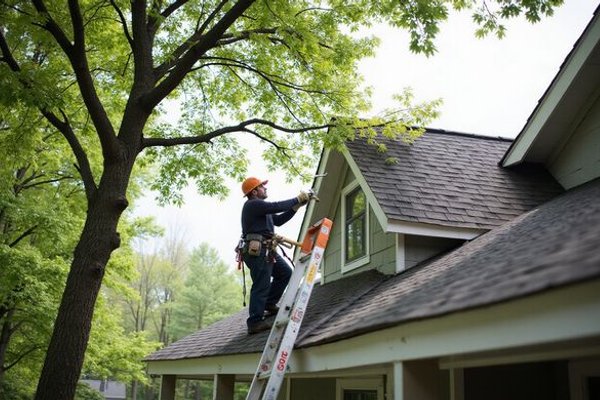
Branches that hang over roofs, press against siding, block driveways, or interfere with utility lines need clearance pruning. We raise canopies to the appropriate height and cut back branches to safe distances from structures. In Duluth’s older neighborhoods — Congdon, East Hillside, Chester Park — mature trees commonly grow into contact with houses and garages, making clearance pruning a regular necessity.
Vista Pruning
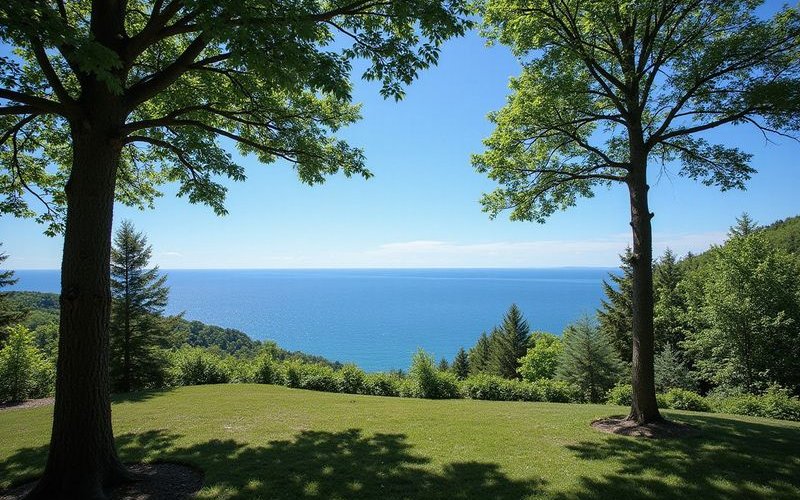
Many Duluth hillside properties have extraordinary Lake Superior views that have gradually disappeared behind growing tree canopies. Vista pruning strategically opens sightlines by selectively thinning or removing specific branches — not cutting trees to the ground. A skilled arborist can dramatically improve your view while keeping your trees healthy and your property shaded. This is one of our most requested services in the hillside neighborhoods.
Structural Pruning
Young trees benefit enormously from structural pruning that establishes a strong central leader and well-spaced scaffold branches. This prevents the co-dominant stems, included bark, and weak attachments that cause mature trees to split apart during storms. Investing in structural pruning early saves thousands of dollars in future removal costs. If you have recently planted trees, now is the ideal time to start.
Why We Never Top Trees
Tree topping — the practice of cutting main branches back to stubs — is one of the most destructive things you can do to a tree. Despite this, topping remains disturbingly common in the Duluth area, often performed by unqualified operators who call themselves “tree services.”
Here is what actually happens when a tree is topped:
Starvation. Removing the majority of leaf-bearing crown starves the tree of the energy it needs to survive. The tree responds with a desperate flush of epicormic sprouts — thin, weakly attached shoots that grow rapidly from latent buds beneath the bark.
Decay. Large topping cuts cannot seal over properly. They become entry points for decay fungi that rot the interior of main stems and branches, creating hidden structural failure waiting to happen.
Increased hazard. The epicormic sprouts that replace the topped crown grow fast but attach weakly. Within a few years, the tree has a canopy of poorly attached branches that are more likely to fail than the original limbs — and they grow at the same height, recreating the original problem.
Permanent disfigurement. A topped tree never recovers its natural form. It becomes an ongoing maintenance liability that costs more over its lifetime than proper pruning would have.
At Northshore Tree Service, we use reduction cuts, crown thinning, and other ISA-approved techniques to achieve your goals without harming the tree. If another company recommends topping, get a second opinion from a certified arborist.
When Your Trees Need Pruning
Several signs indicate it is time to call an arborist for pruning:
- Dead branches visible in the canopy — brown, leafless, or bark-free limbs
- Branches touching or rubbing against your house, garage, or roof
- Crossing or rubbing branches within the canopy creating wounds
- Dense canopy blocking light to your lawn, garden, or windows
- Storm damage with broken or hanging branches
- Obstructed views of Lake Superior or surrounding landscape
- Young trees developing multiple leaders or poor branch structure
- It has been more than 3-5 years since the last professional pruning
If you are unsure whether your trees need work, our free consultation gives you a professional assessment with no obligation. Erik often visits properties and recommends no action at all when trees are in good shape — we do not invent work that is not needed.
Pruning for Duluth’s Climate
Duluth’s climate creates specific pruning considerations. Heavy wet snow and ice loading in winter put enormous stress on tree canopies. Proper thinning reduces snow and ice accumulation, lowering the risk of branch failure during winter storms. The timing of pruning matters too — oaks should only be pruned during dormancy (November through March) to prevent oak wilt transmission, while most other hardwoods do best when pruned in late winter before spring growth begins. Learn more in our guide to the best time to prune trees in Duluth.
Trees that have been properly maintained through regular pruning are dramatically more resilient during Duluth’s severe weather events. They shed wind, snow, and ice rather than catching it, and their branch attachments remain strong because co-dominant stems and included bark have been addressed early.
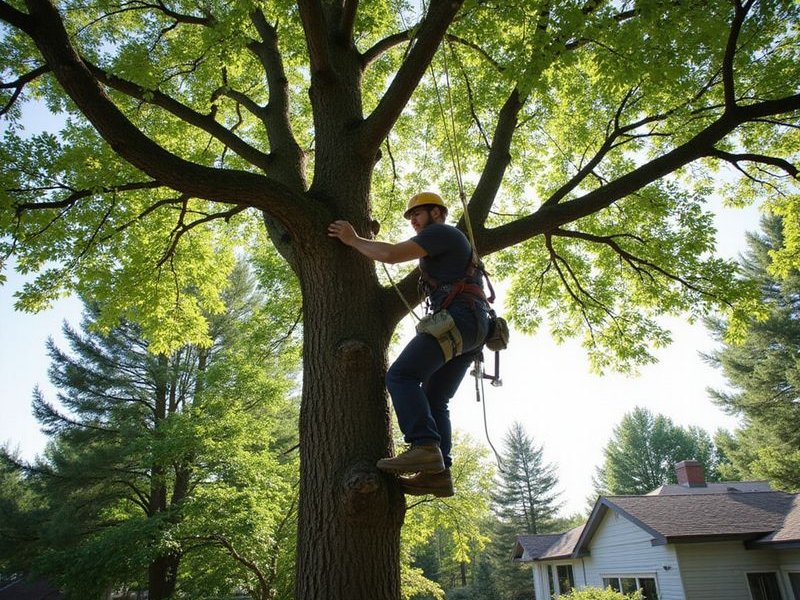
For trees that need additional structural support beyond what pruning can provide, we also offer cabling and bracing services that work alongside a pruning program to preserve valuable trees.
Schedule Your Pruning Consultation
Call Northshore Tree Service at (218) 555-0391 for a free pruning consultation. ISA Certified Arborist Erik Janssen will evaluate your trees, recommend the right approach, and provide a clear written estimate. We serve Duluth, Hermantown, Proctor, Two Harbors, and communities throughout the North Shore.
If your trees have health concerns beyond pruning needs, our tree health and disease treatment services can diagnose and address underlying problems. And if a tree is truly beyond saving, we provide honest recommendations and professional tree removal when that is the right course of action.
Our Work
What's Included
- ISA Certified Arborist on every job
- Crown thinning and cleaning
- Deadwood removal
- Clearance pruning for structures and utilities
- Vista pruning for Lake Superior views
- Structural pruning for young trees
- No tree topping — ever
- 65-ft bucket truck for safe aerial access
Get a Free Estimate
Call our ISA Certified Arborist for a free on-site assessment. Same-day estimates in Duluth.
(218) 555-039124/7 Emergency Service
Tree Trimming & Pruning Pricing
Price depends on tree size, species, and scope of pruning
Small Trees (under 25ft)
- Crown cleaning and shaping
- Deadwood removal
- Clearance pruning
- Debris cleanup
Medium Trees (25-50ft)
- Crown thinning up to 25%
- Structural pruning
- Vista pruning
- Bucket truck access
Large Trees (50ft+)
- Full canopy management
- Weight reduction on limbs
- Storm damage prevention
- Climbing or aerial lift
How It Works
Arborist Consultation
Erik Janssen evaluates your trees in person, identifies pruning needs, and recommends the right approach based on species, age, and your goals.
Pruning Plan
We provide a clear written estimate specifying which trees, what type of pruning, and the expected outcome. No surprises.
Professional Pruning
Our crew executes the pruning plan using ISA-standard techniques. Every cut is made at the proper location to promote healing and prevent decay.
Cleanup & Review
All debris is chipped and removed. We walk the property with you to review the completed work and answer any questions about future care.
Why Choose Northshore Tree Service
ISA Pruning Standards
We follow ANSI A300 pruning standards. Every cut is made with purpose — no hacking, no topping, no damage.
Species Knowledge
Duluth's native and ornamental trees each require different pruning approaches. We know when, where, and how to cut for each species.
We Never Top Trees
Tree topping is destructive and creates long-term hazards. We use proper reduction cuts that maintain tree health and structure.
Vista Pruning Experts
Many Duluth properties have million-dollar Lake Superior views hidden behind overgrown canopies. We open views without harming trees.
Tree Trimming & Pruning FAQ
What is the difference between tree trimming and pruning?
Trimming generally refers to cutting back overgrowth for aesthetics or clearance. Pruning is a more targeted, arborist-directed process that improves tree health, structure, and safety. At Northshore Tree Service, we approach every job as proper pruning with specific objectives.
Why shouldn't trees be topped?
Topping removes the tree's main leader and large branches, triggering a flush of weak, fast-growing shoots that are prone to failure. Topped trees become more hazardous over time, not less. We use proper reduction cuts that maintain tree structure.
When is the best time to prune trees in Duluth?
Most trees are best pruned during dormancy (late fall through early spring). Oaks should only be pruned in winter to prevent oak wilt. Deadwood removal can be done any time. Our arborist recommends the right timing for your specific trees.
How often should trees be pruned?
Most mature trees benefit from pruning every 3-5 years. Young trees should be structurally pruned every 2-3 years to develop strong form. Trees near structures may need more frequent clearance pruning.
Related Services
Cabling & Bracing
Professional tree cabling and bracing in Duluth, MN. Dynamic and static cabling systems, brace rods, and structural support to preserve valuable trees.
Tree Health & Disease Treatment
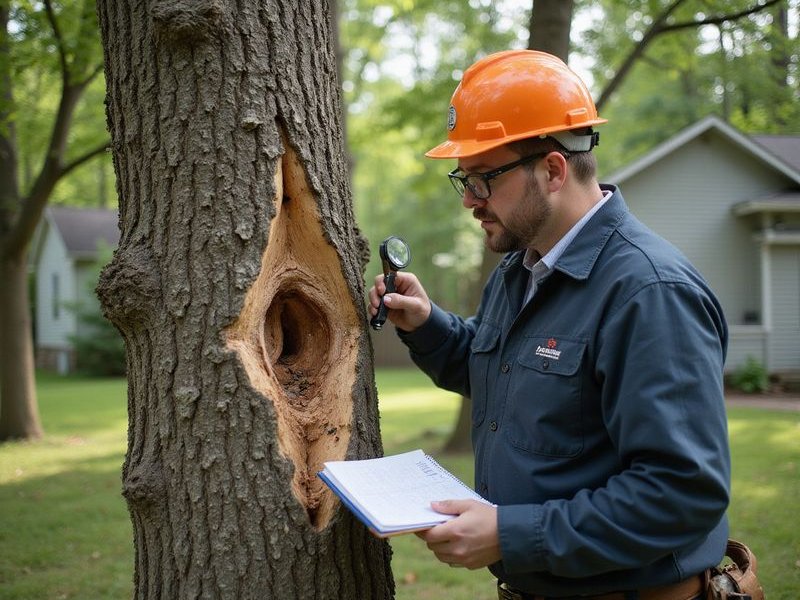
ISA Certified Arborist tree health assessments, disease diagnosis, emerald ash borer treatment, fungal treatment, and preventive care in Duluth, MN.
Tree Removal
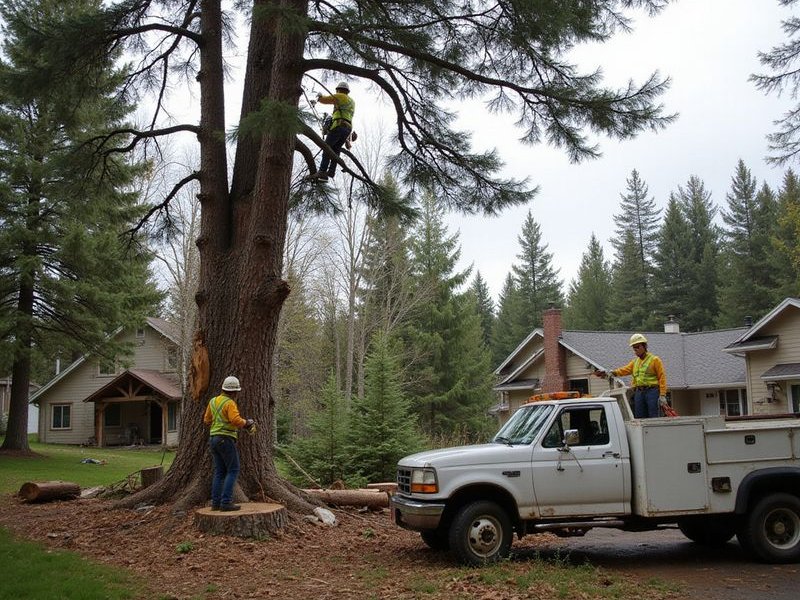
Safe, professional tree removal for hazardous, dead, or unwanted trees in Duluth and the North Shore.
Need Trimming?
Call for a free estimate from our ISA Certified Arborist. Same-day assessments in Duluth.