Tree Health Assessment & Disease Treatment
ISA Certified Arborist tree health assessments, disease diagnosis, emerald ash borer treatment, fungal treatment, and preventive care in Duluth, MN.
What Is Tree Health and Disease Treatment?
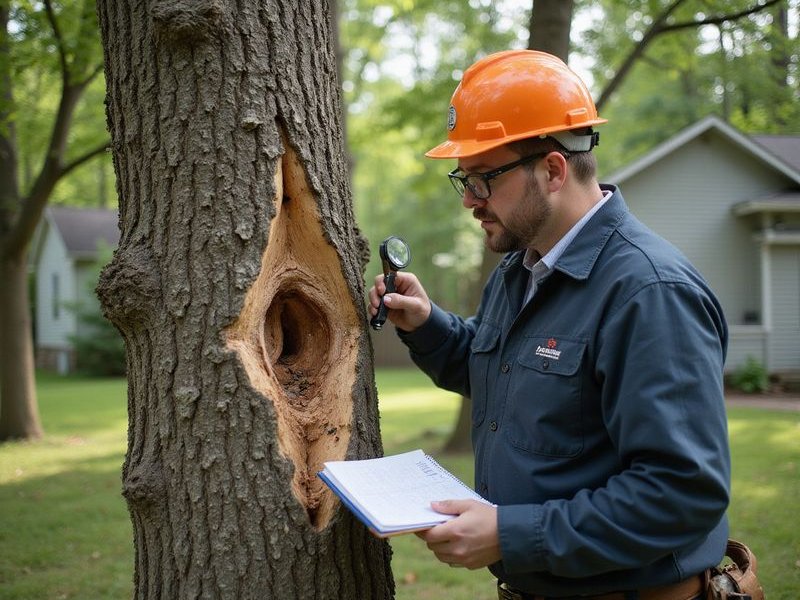
Tree health and disease treatment is the practice of diagnosing and addressing health problems in trees — from infectious diseases and insect infestations to nutritional deficiencies and environmental stress. At Northshore Tree Service, ISA Certified Arborist Erik Janssen brings professional diagnostic training and hands-on experience with Duluth’s specific tree health challenges to every assessment.
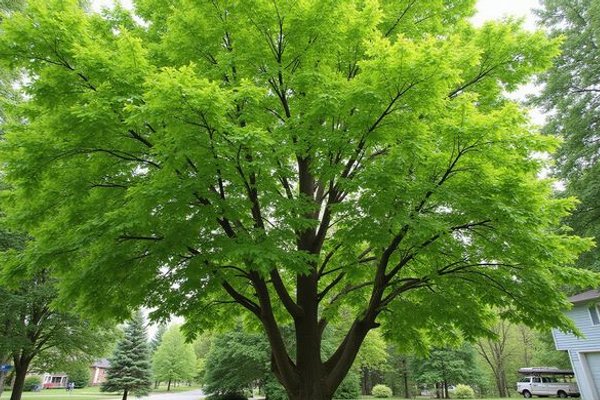
Trees are long-lived organisms, and their health problems often develop slowly over months or years before becoming visually obvious. By the time a homeowner notices that their favorite maple has a thinning canopy or their ash tree’s bark is peeling, the underlying problem may be well advanced. Early detection through professional assessment gives your trees the best chance of recovery and saves you the significant cost of removing and replacing a tree that could have been treated.
Our approach starts with accurate diagnosis. We do not spray treatments without understanding the cause. A yellowing canopy might be caused by root disease, soil compaction, drought stress, nutrient deficiency, or insect damage — each requiring a completely different response. Getting the diagnosis right is the most important step.
Common Tree Health Problems in Duluth
Emerald Ash Borer (EAB)
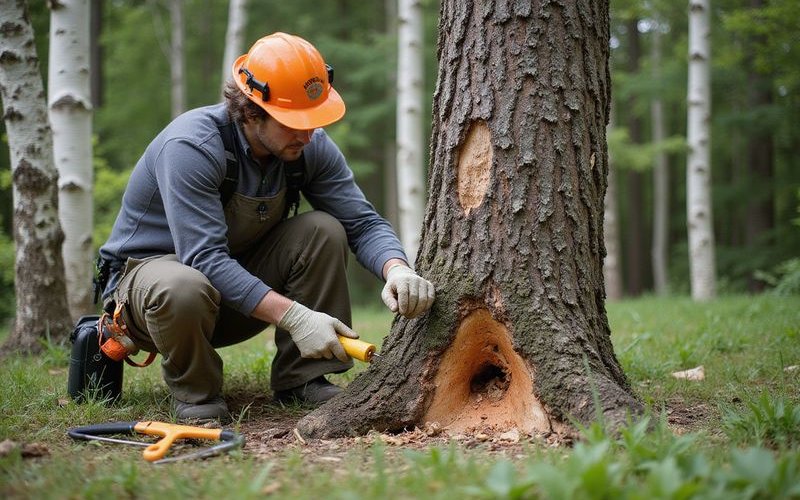
Emerald ash borer is the most significant tree health threat in the Duluth region. This invasive beetle, native to Asia, kills ash trees by feeding on the inner bark and disrupting the tree’s ability to transport water and nutrients. EAB has been confirmed in the Duluth area, and all untreated ash trees — green ash, white ash, and black ash — are at risk of infection and death within 3 to 5 years of initial infestation.
The good news is that treatment is highly effective when started before significant damage occurs. Trunk-injected insecticide protects ash trees for 2 to 3 years per treatment cycle. If you have ash trees on your property that you want to preserve, proactive treatment is the best investment you can make. We recommend beginning treatment as soon as possible, as heavily infested trees cannot be saved.
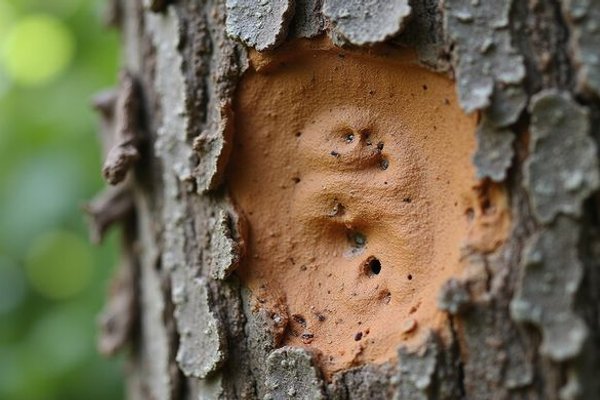
Signs of EAB include D-shaped exit holes in the bark, S-shaped feeding galleries under the bark, crown dieback starting at the top, increased woodpecker activity, and epicormic sprouting (water sprouts) on the trunk. If you notice any of these symptoms, contact us promptly.
Fungal Diseases
Duluth’s cool, moist climate creates ideal conditions for several fungal diseases that affect local trees:
Rhizosphaera needle cast attacks spruce trees, causing needles to turn purple-brown and drop from the inside of the tree outward. Colorado blue spruce is especially susceptible. Treatment involves properly timed fungicide applications over multiple seasons.
Diplodia tip blight affects pines, particularly Austrian and red pine, causing new growth to be stunted and brown. Fungicide treatments applied at bud break can prevent infection of new growth.
Armillaria root rot (honey fungus) attacks stressed trees of many species. Honey-colored mushroom clusters at the tree’s base are a telltale sign. This is one of the more difficult conditions to treat, as the fungus spreads through the soil. Management focuses on improving tree vigor and removing severely infected trees to protect neighbors.
Oak wilt is a devastating vascular disease caused by the fungus Bretziella fagacearum. It spreads through root grafts between nearby oaks and through beetles attracted to fresh wounds. In Duluth, oaks should only be pruned during winter dormancy to prevent creating infection courts. If oak wilt is suspected, immediate action is critical.
Insect Pests
Beyond EAB, several insects cause significant damage to Duluth area trees:
Spruce budworm defoliates balsam fir and white spruce, both common in Duluth’s urban forest. Heavy infestations over multiple years can kill trees. Monitoring and targeted treatment during larval feeding periods can protect valuable specimens.
Bronze birch borer attacks stressed birch trees, particularly paper birch and European white birch. The borers tunnel under the bark, causing branch dieback from the top down. Maintaining birch tree health through proper watering and mulching is the best defense, supplemented by insecticide treatment when borer activity is detected.
Eastern larch beetle has been causing widespread mortality in tamarack (larch) trees across Minnesota. While primarily a forest pest, residential tamarack trees can also be affected. Treatment is available for high-value specimens.
Our Diagnostic and Treatment Process
Comprehensive Assessment
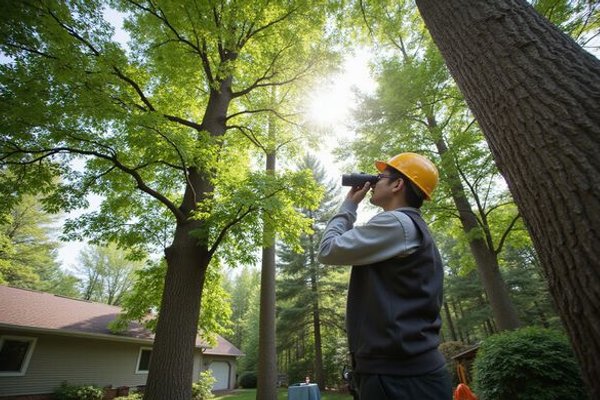
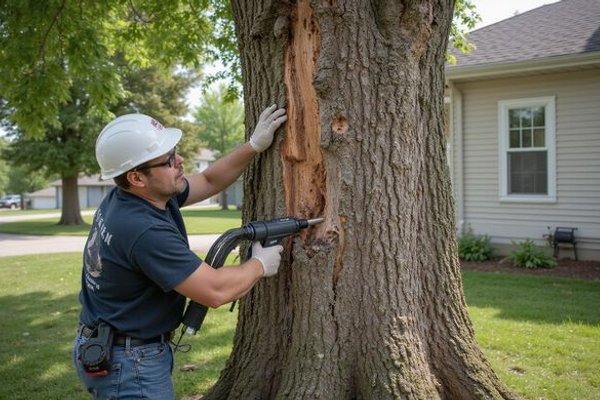
Erik Janssen examines the entire tree — from the root flare to the crown tip. This includes checking for trunk cavities, cankers, and fungal fruiting bodies; examining bark condition and insect activity; assessing canopy density, color, and dieback patterns; and evaluating the root zone for heaving, circling roots, and soil conditions. The surrounding landscape and site drainage are also considered, as many tree health problems originate from soil and moisture issues.
Written Diagnosis and Treatment Plan
After the assessment, you receive a clear, written diagnosis that explains the condition in plain language, its likely cause, the prognosis with and without treatment, and recommended treatment options with pricing. We explain the science behind our recommendations so you can make an informed decision. If a tree is beyond treatment, we tell you honestly and discuss tree removal options.
Treatment Methods
Depending on the diagnosis, treatment may involve one or more of the following approaches:
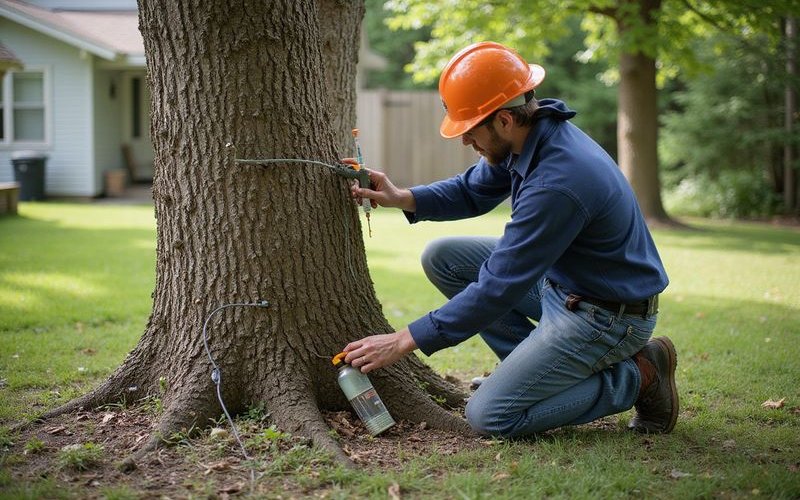
Trunk injection delivers insecticide or fungicide directly into the tree’s vascular system. This is the most effective method for EAB treatment and certain systemic diseases. The material moves throughout the tree, providing comprehensive protection with minimal environmental impact.
Soil drench applies treatment to the root zone, where it is absorbed through the roots and transported throughout the tree. This method is effective for certain insect pests and can improve overall tree health when combined with soil amendments.
Foliar spray targets diseases and pests that affect leaves and needles. Timing is critical — applications must coincide with specific stages of disease or insect development to be effective.
Cultural practices address the underlying conditions that make trees susceptible to disease. This may include improving drainage, adjusting mulch depth, correcting soil compaction, or modifying watering practices. Sometimes the best treatment is not a chemical application but a change in how the tree is maintained.
Ongoing Monitoring
Tree health management is rarely a one-time event. Our follow-up visits monitor treatment effectiveness and catch any new developments early. Annual care programs provide scheduled monitoring and preventive treatments that keep your trees healthy year after year.
Preventive Care: The Best Medicine
The healthiest trees are the ones that never need emergency treatment. Regular pruning removes deadwood that harbors disease. Proper mulching maintains soil moisture and temperature. Avoiding construction damage to root zones prevents root decay. And for high-risk species like ash trees, proactive treatment is far more effective and less expensive than attempting to rescue a heavily infested tree.
Our annual care programs provide scheduled professional attention to your property’s trees, catching problems early when they are most treatable and least expensive. Consider it preventive maintenance for your landscape’s most valuable assets.
Schedule a Tree Health Assessment
If your trees are showing signs of decline, unusual discoloration, premature leaf drop, or any other changes, call Northshore Tree Service at (218) 555-0391 for a professional assessment. Early diagnosis and treatment give your trees the best chance of recovery. We serve Duluth, Hermantown, Proctor, Two Harbors, and communities throughout the North Shore.
For specific disease concerns, explore our detailed guides on emerald ash borer in Duluth and common tree diseases in Duluth.
Our Work
What's Included
- ISA Certified Arborist diagnosis
- Emerald Ash Borer (EAB) treatment
- Fungal disease treatment
- Bacterial disease management
- Insect pest identification and control
- Soil health assessment
- Preventive care programs
- Written treatment plans
Get a Free Estimate
Call our ISA Certified Arborist for a free on-site assessment. Same-day estimates in Duluth.
(218) 555-039124/7 Emergency Service
Tree Health & Disease Treatment Pricing
Treatment costs vary by tree size, condition, and treatment type
Health Assessment
- Full tree inspection
- Disease identification
- Written diagnosis and recommendations
- Treatment plan with pricing
Individual Treatment
- Targeted disease treatment
- Trunk injection or soil drench
- Fungicide or insecticide application
- Follow-up inspection included
Annual Care Program
- Comprehensive seasonal care
- Preventive treatments
- Regular monitoring visits
- Priority scheduling
How It Works
Health Assessment
Our arborist conducts a thorough inspection — trunk, canopy, root zone, and surrounding soil. We identify symptoms, assess severity, and determine the underlying cause.
Diagnosis & Plan
You receive a written diagnosis explaining the condition, prognosis, and recommended treatment options with clear pricing. We explain the science in plain language.
Treatment
Treatments are applied using the most effective method for the diagnosis — trunk injection, soil drench, foliar spray, or cultural practices like mulching and watering adjustments.
Monitoring
We schedule follow-up visits to monitor tree response and adjust treatment as needed. Many tree health issues require ongoing management rather than a one-time fix.
Why Choose Northshore Tree Service
Certified Diagnostics
ISA Certified Arborists are trained in tree pathology, entomology, and soil science. We diagnose the actual problem — not just treat the symptoms.
Local Expertise
We know Duluth's trees, soil conditions, and the specific diseases and pests that affect this region. Our recommendations are tailored to local conditions.
Honest Prognosis
Some trees can be saved with treatment. Others cannot. We give you an honest prognosis so you can make an informed decision about treatment versus removal.
Preventive Approach
The best treatment is prevention. Our annual care programs protect valuable trees before problems develop, saving you money and preserving your landscape.
Tree Health & Disease Treatment FAQ
How do I know if my tree is diseased?
Common signs include yellowing or browning leaves out of season, premature leaf drop, cankers or oozing on the trunk, fungal growths (mushrooms) at the base, branch dieback starting at the crown, and thinning canopy. If your tree looks different than it used to, an arborist assessment is a good idea.
Can a diseased tree be saved?
Many diseased trees can be treated successfully when caught early. The key is accurate diagnosis and timely treatment. Some conditions — like advanced trunk decay or widespread root rot — may be beyond treatment. Our arborist provides an honest prognosis for every tree.
Is emerald ash borer in Duluth?
Yes. Emerald ash borer (EAB) has been confirmed in the Duluth area. All untreated ash trees are at risk. Treatment with trunk-injected insecticide is highly effective when started before significant damage occurs. We recommend treating high-value ash trees proactively.
How much does tree disease treatment cost?
Health assessments start at $100. Treatment costs vary widely based on tree size and the specific condition being treated. EAB treatment for a mature ash tree typically runs $250-$500 per treatment cycle. We provide detailed pricing in your written treatment plan.
What is the best time to treat tree diseases?
Timing depends on the specific disease or pest. EAB treatments are best applied in spring or early summer. Fungal treatments may be seasonal. Some cultural practices can be started any time. Our arborist recommends the right timing for your specific situation.
Related Services
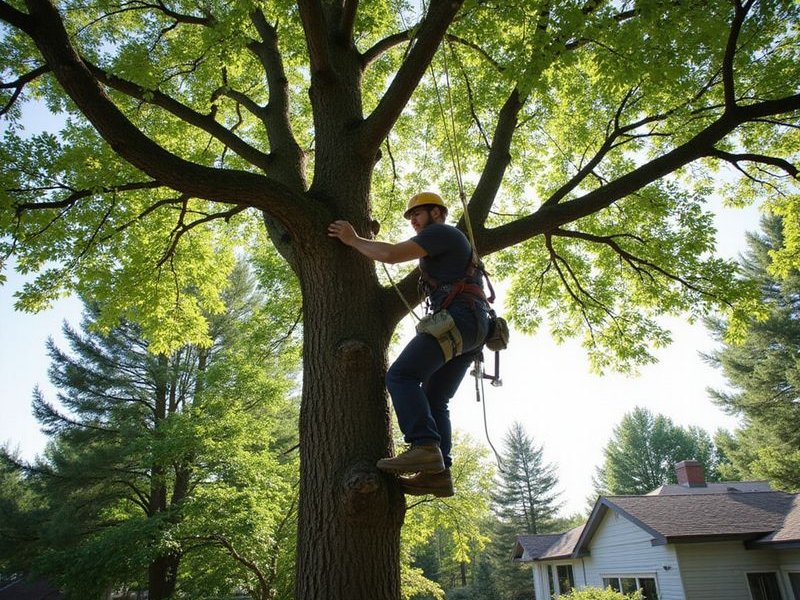
Cabling & Bracing
Professional tree cabling and bracing in Duluth, MN. Dynamic and static cabling systems, brace rods, and structural support to preserve valuable trees.
Tree Removal
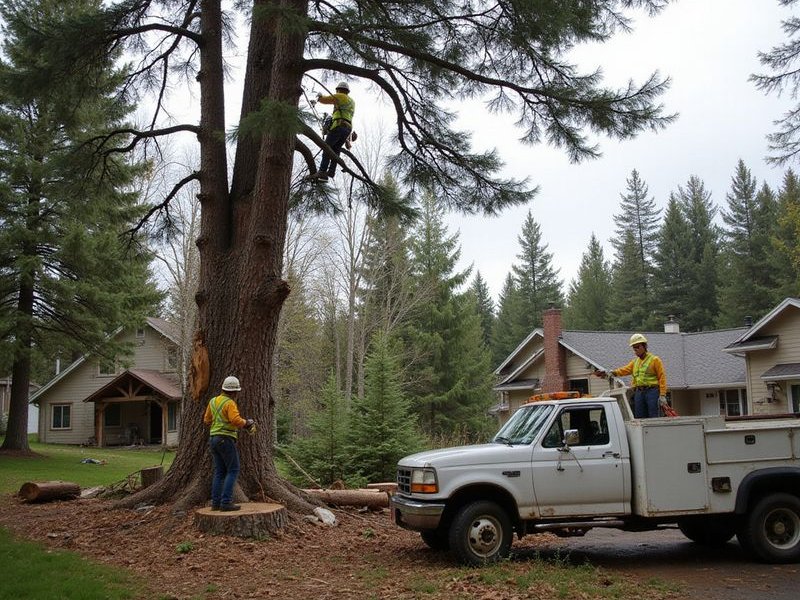
Safe, professional tree removal for hazardous, dead, or unwanted trees in Duluth and the North Shore.
Tree Trimming & Pruning
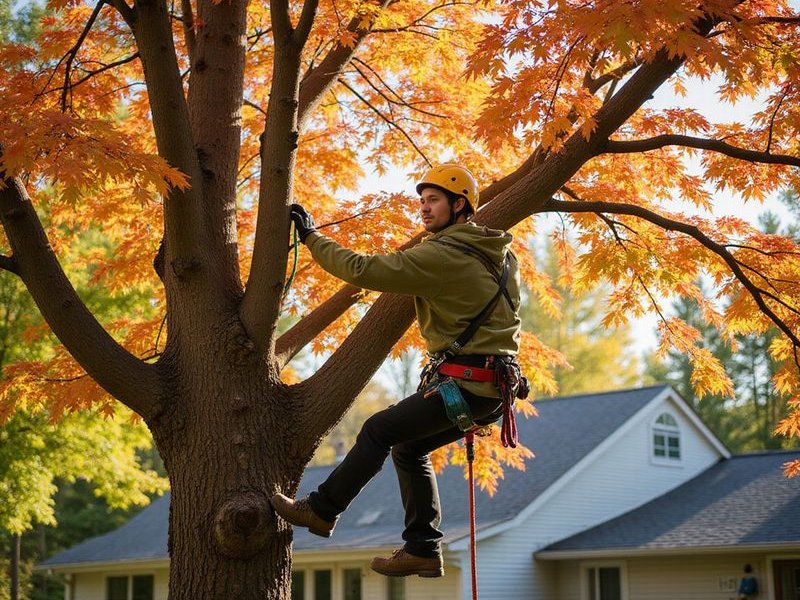
Expert tree trimming and pruning by an ISA Certified Arborist. Crown thinning, deadwood removal, clearance pruning, and structural pruning in Duluth, MN.
Need Health & Disease?
Call for a free estimate from our ISA Certified Arborist. Same-day assessments in Duluth.