Tree Fell on Your House? How to File an Insurance Claim in Minnesota
[AddInfographic]
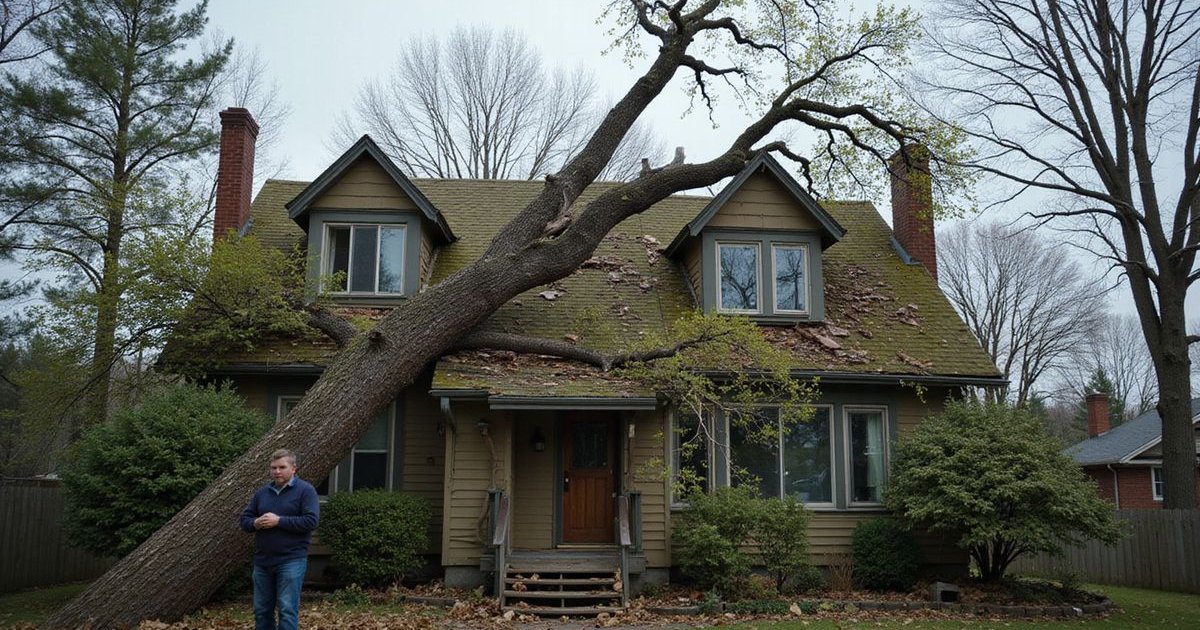
Few sounds are more terrifying than the crack of timber followed by a house-shaking crash during a storm. Whether it is a summer thunderstorm or a November gale howling off Lake Superior, we know that Duluth weather often puts trees and homes on a collision course. Your first priority is always the physical safety of your family. Once the dust settles and everyone is accounted for, the reality of the damage sets in.
The financial recovery process begins the moment the wind dies down. Most homeowners insurance policies cover storm-related tree damage, but the gap between “covered” and “fully paid” often comes down to the details. We have helped countless Duluth neighbors navigate this chaotic time. This guide breaks down the exact steps to take, from the initial shock to the final repair, with specific insights for Minnesota residents.
Step 1: Ensure Safety First
Your instinct might be to rush out and inspect the damage, but this is often where the second disaster happens. We urge you to pause and assess the scene from a distance.
Treat all downed lines as live. If the tree brought down power lines, stay at least 50 feet away. The ground around a downed line can be energized, creating a lethal hazard known as “step potential” even if you do not touch the wire. Call 911 immediately. You should also report the outage to Minnesota Power at 800-30-2000 once emergency services are notified.
Evacuate if you suspect structural instability. A tree resting on your roof places immense weight on the trusses. If you hear creaking, see bowed walls, or notice doors that suddenly won’t open, get out immediately.
Shut off utilities. Broken gas lines or water pipes can cause fires or massive floods hours after the storm. If you can reach your main shutoffs safely, turn them off.
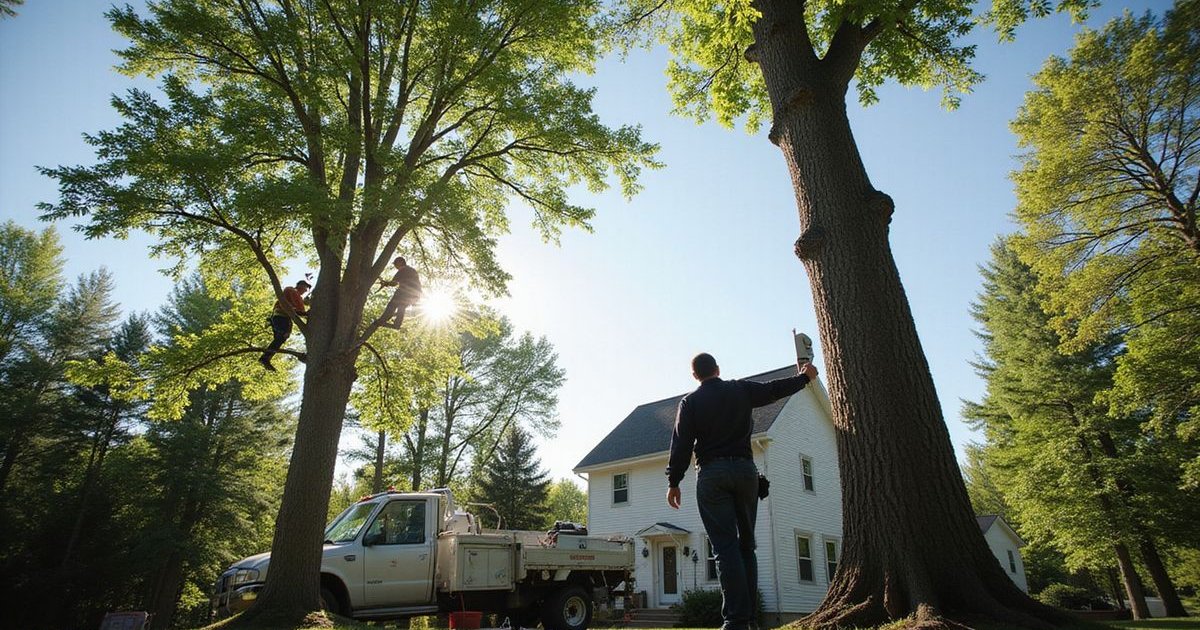
Secure the site. Once the area is verified safe by professionals, you may need a emergency tree service to perform a “make-safe” removal. This involves carefully lifting the tree off the structure to prevent further collapse or water intrusion.
Step 2: Document Everything
Insurance adjusters live and die by evidence. The more proof you have of the damage and the conditions that caused it, the harder it is for a claim to be undervalued.
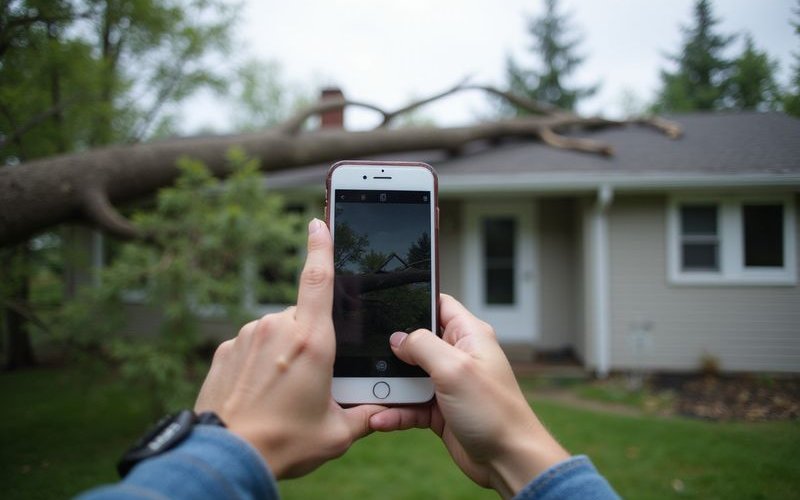
Photograph the context. Do not just take close-ups of the hole in the roof. Take wide shots showing the tree, the house, and the debris field. These photos prove the tree fell due to a storm event and not a pre-existing condition.
Keep the “evidence” if negligence is involved. If a neighbor’s dead tree fell on your house, you might need to prove they were negligent to get their insurance to pay. We suggest photographing the rotted sections of the trunk before they are hauled away.
Create a “Loss Inventory” spreadsheet. List every damaged item, from gutters and shingles to the patio furniture crushed on the deck. Find the current replacement cost for each item online and add it to your list.
Save every receipt. Minnesota policies typically include “Additional Living Expenses” (ALE) if your home is uninhabitable. Keep receipts for hotels, restaurant meals, and even extra mileage driven.
Step 3: Contact Your Insurance Company
Time is a factor. Minnesota Statute 72A.201 requires insurers to acknowledge your claim within 10 business days, but you want to start that clock immediately.
Request your claim number instantly. Do not hang up without writing down your claim number and the name of the adjuster assigned to your file. This number is your golden ticket for all future communication.
Clarify your deductible. Most Minnesota policies have deductibles ranging from $1,000 to $2,500, or sometimes a percentage of the home’s value (often 1% or 2%) for wind and hail claims. If your repair cost is $3,000 and your deductible is $2,500, filing a claim might not be worth the potential premium increase.
Ask about “Loss of Use” limits. If you cannot stay in your home, confirm your daily limit for hotel and food expenses. This ensures you do not book a hotel that exceeds what your policy will reimburse.
Step 4: Understand What Minnesota Homeowners Insurance Covers
Coverage can vary significantly between carriers. We have seen that knowing your specific policy endorsements can save you thousands of dollars.
The Coverage Breakdown
| Type of Damage | Typical Coverage Status | Important Details |
|---|---|---|
| Structure Damage | Covered | Covers roof, siding, and windows if the tree was felled by wind, lightning, or hail. |
| Tree Removal Cost | Partially Covered | Usually covered only if the tree hit a covered structure. If it fell in the yard, removal is often out-of-pocket. |
| Debris Haul-Away | Limited | Often capped at $500-$1,000 total per storm, regardless of how many trees fell. |
| Neighbor’s Tree | Your Policy Pays | Unless you can prove the neighbor knew the tree was hazardous (negligence), you file the claim on your own insurance. |
The “Matching” Trap
Minnesota does not have a strict statutory “matching law” that forces insurers to replace undamaged siding to match the repaired area. However, many disputes arise here. If your vinyl siding is faded and the new patches stand out, you can argue for a full replacement based on “line of sight” or “like kind and quality” language in your policy. Be aware that some newer budget policies explicitly exclude matching coverage.
Debris Removal Limits
Most policies have a “sub-limit” for removing the tree itself. While the damage to the house is covered up to your dwelling limit, the cost to cut up and haul away the tree might be capped at $500 or $1,000. This often surprises homeowners when they receive a bill for complex emergency tree removal that involves cranes and large crews.
Step 5: Work With the Insurance Adjuster
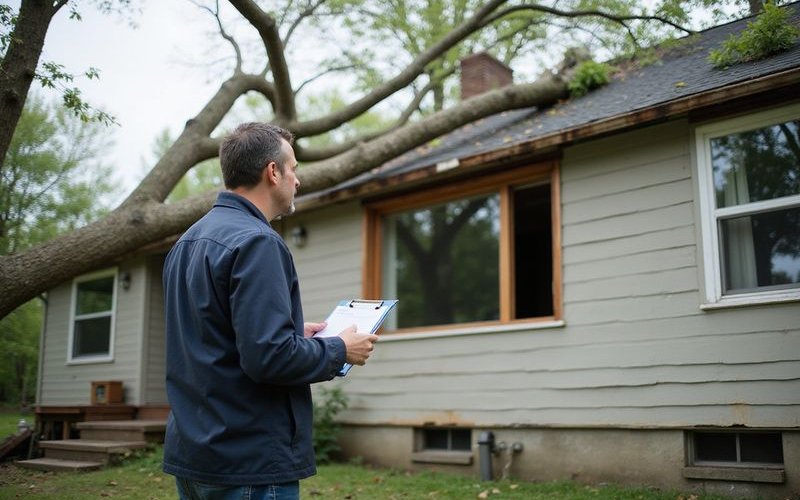
The adjuster works for the insurance company, not you. Their job is to assess the damage, but they often use software like Xactimate to generate standard pricing that may not reflect current Duluth labor rates.
Be present for the inspection. Do not let the adjuster walk the property alone. We recommend having your contractor present as well to point out damage the adjuster might miss, such as cracked trusses or subtle foundation shifts.
Request a “Scope of Loss.” This document details exactly what the insurance company agrees to pay for. Review it line-by-line. If they list “repair roof” but miss the damaged soffit and fascia, you need to point it out immediately.
Know your rights on public adjusters. If you feel your claim is being unfairly lowballed, you can hire a Public Adjuster. In Minnesota, there is no statutory cap on their fees, so you will typically negotiate a rate of 10% to 15% of the settlement.
Step 6: Manage Repairs and Tree Removal
Once the settlement is agreed upon, the work begins. Minnesota law is strict about who can perform these repairs.
Verify contractor licensing. Any contractor performing more than one special skill (like roofing and siding) must be a licensed Residential Building Contractor. You can verify a license using the “iMS” lookup tool on the Minnesota Department of Labor and Industry website.
Coordinate the timeline. Roofers cannot start until the tree is gone. Your tree removal service needs to work in tandem with the general contractor to ensure the driveway is clear and the structure is safe for repair crews.
Keep a paper trail. Save every invoice, change order, and email. If hidden damage is found after work starts—like water damage inside a wall—you will need these records to file a “supplement” to your insurance claim.
Special Situations in Duluth
Our region presents unique challenges that standard insurance estimates often overlook.
Steep Slope Surcharges. Duluth’s hillside geography makes tree removal incredibly difficult. Cranes and specialized rigging are often required to lift logs over houses. Ensure your adjuster includes “difficult access” or “steep slope” line items in their estimate.
Ice Storm Complexity. Winter storms can leave trees under extreme tension. Cutting a tree loaded with ice is dangerous and slow. We find that adjusters from warmer states often underestimate the time required for safe removal in freezing conditions.
Lake Superior Winds. The “Gales of November” can cause damage that mimics explosion debris. High winds can drive branches into siding like spears. Look for puncture wounds in your siding that might not be immediately obvious.
Preventing Future Claims
The best insurance claim is the one you never have to file. Taking proactive steps can save you from the stress of a crushed roof.
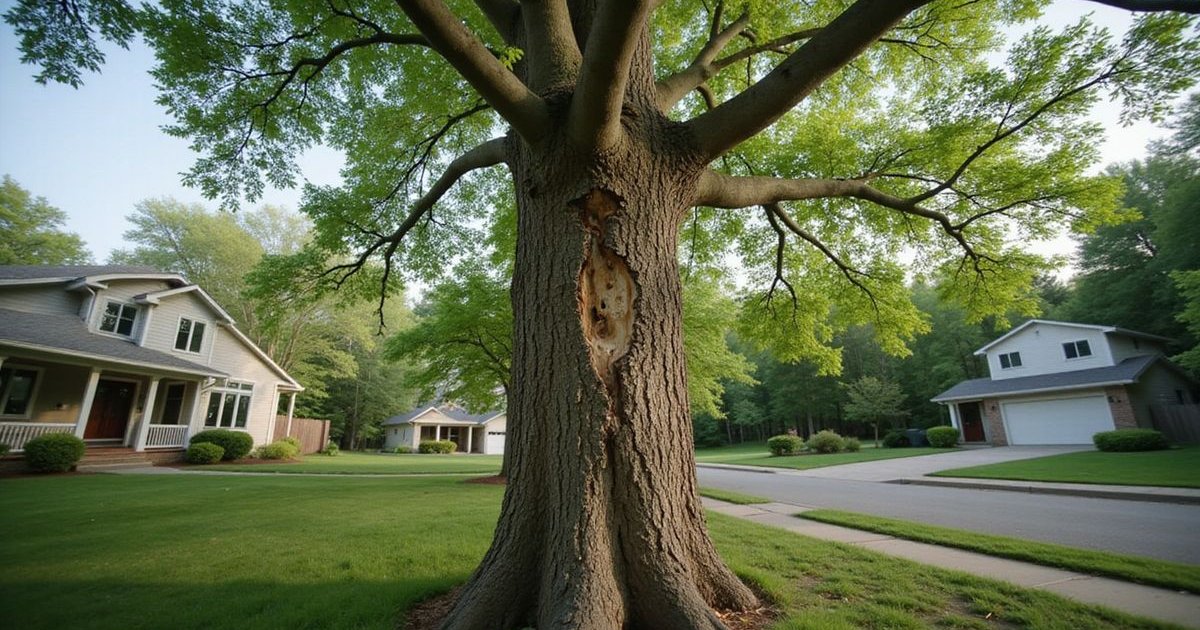
Inspect for Emerald Ash Borer. This invasive pest is decimating ash trees across Minnesota. If your ash tree has a thinning canopy or woodpecker damage, it is likely infested and becoming brittle. Remove it before it falls on its own.
Watch for Pine Bark Beetle. Red and Jack pines are susceptible to these beetles, which kill trees from the top down. A dead top on a 60-foot pine is a ticking time bomb in a windstorm.
Prune regularly. Structural pruning and trimming reduces the “sail effect” of the canopy, allowing wind to pass through the tree rather than pushing it over. Review our guide on how often to trim your trees to create a maintenance schedule.
Know the signs of failure. Trees often give warning signs before they fall. Our article on signs that a tree needs removal can help you spot dangerous fungi, cracks, and leans.
Prepare for the freeze. Winter adds weight to every branch. Our winter storm preparation guide offers specific tips for protecting your property during the cold months.
We Are Here to Help
At Northshore Tree Service, we specialize in high-stakes storm damage emergencies. We know how to safely remove hazardous trees from structures without causing further damage, and we provide the detailed, itemized invoices your insurance company requires.
If a tree has fallen on your home, do not wait. Contact us immediately. We will help you secure your property and start the road to recovery.
Need Professional Tree Service?
Call our ISA Certified Arborist for a free estimate. Serving Duluth, MN and the North Shore.
Call (218) 555-0391