Spring Tree Assessment: What to Check After a Duluth Winter
Here is the comprehensive spring tree assessment guide for Duluth homeowners, rewritten to be authoritative, actionable, and specific to the 2026 season.
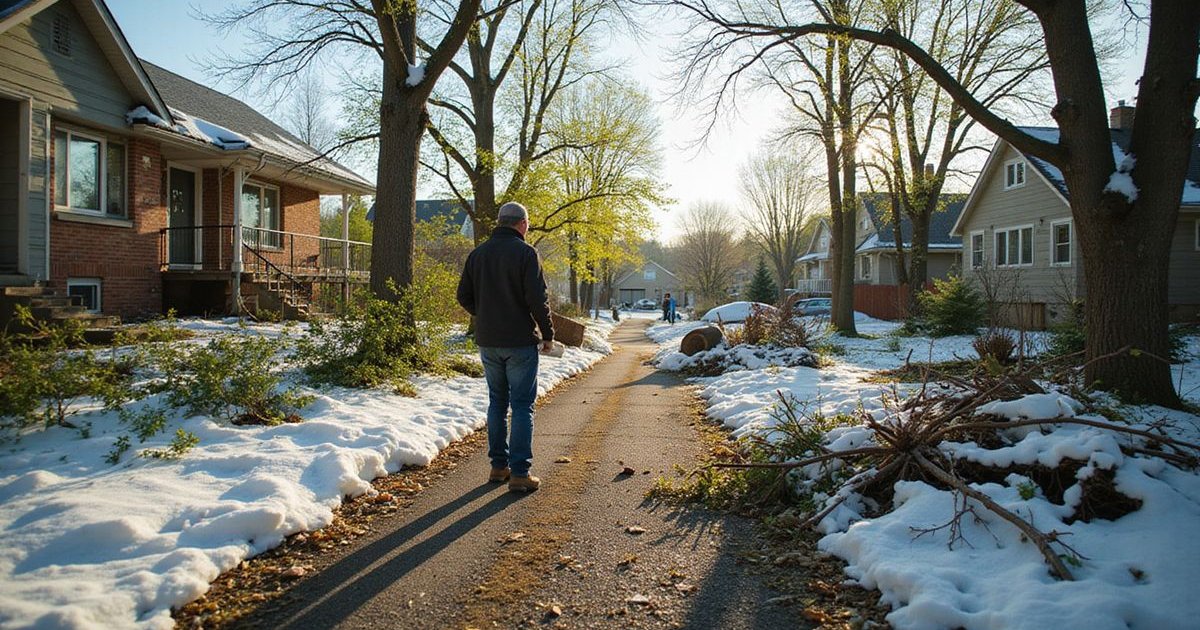
Every spring in Duluth feels like a victory. We watch the snow piles finally recede to reveal the yard we haven’t seen since November, but that retreat often exposes a mess. Winter 2025 was particularly tough on root systems, with frost depths plunging deeper than they have since 2019—reaching nearly 40 inches in some parts of St. Louis County. This deep freeze creates specific structural risks that many homeowners overlook until leaves fail to appear.
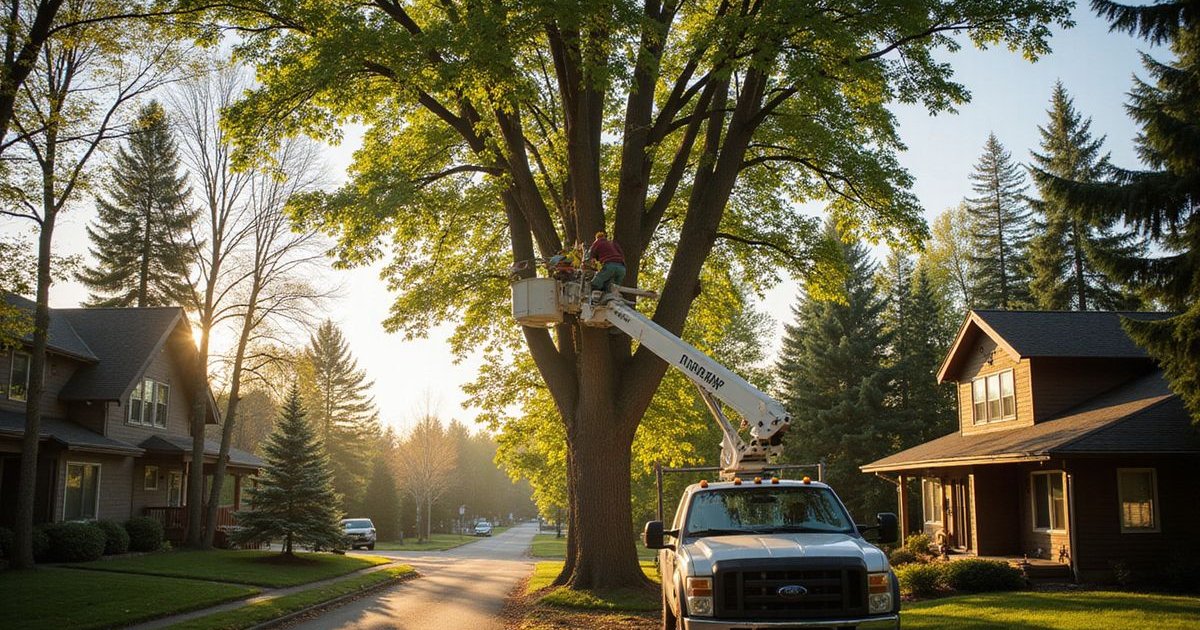
As an ISA Certified Arborist team serving the Duluth area, we see the aftermath of these deep-freeze winters firsthand. A systematic spring assessment is the single best way to catch these issues while they are still manageable. Finding a cracked branch now might cost $300 to prune, whereas waiting until it tears out the trunk during a July thunderstorm could mean a $2,000 removal bill.
Here is the complete spring tree assessment checklist we use professionally, adapted for you to use at home.
When to Do Your Spring Assessment
Timing is everything in Minnesota arboriculture. We recommend starting your assessment in late April to mid-May. You need the snow to be mostly gone so you can see the root flare, but you also need the canopy to be bare so you can inspect the structural architecture.
There is a critical biological deadline you must know: The Oak Wilt Risk Period.
In Minnesota, you must avoid pruning or wounding oak trees from April through July. The sap beetles that spread this lethal fungus are most active during these months. If your assessment reveals a damaged oak that needs cutting, you must act before April 1st or wait until late summer. Similarly, to prevent the spread of Emerald Ash Borer (EAB), the Minnesota Department of Agriculture recommends avoiding ash pruning from May 1st to September 30th.
For evergreens like white spruce and balsam fir, you can start checking as soon as the snow exposes the lower branches.
Start from the Ground and Work Up
A professional assessment always moves from the bottom up. We start at the anchor points because if the foundation is compromised, the canopy condition is irrelevant.
Check the Root Flare and Base
Look for frost heaving. The deep frost line we experienced this past winter means the soil expanded significantly. This pressure can physically lift smaller trees out of the ground. Look for fresh soil cracks circling the base or roots that look “stretched” or newly exposed. If a tree has shifted its lean by even a few degrees, the root plate may be destabilized.
Inspect for vole and rodent damage. Pull the mulch back a few inches from the trunk. Meadow vole populations in Minnesota follow a 3-to-5-year boom cycle, and we are currently seeing high activity levels. These rodents tunnel under the snow and chew the bark at the base of the tree. If you see a band of missing bark that goes 100% around the trunk (girdling), the tree’s vascular system has been severed. Bridge grafting can sometimes save high-value trees, but often, this damage is fatal.
Check for plow and salt damage. Duluth’s narrow streets and hillside driveways mean snowplows often push salty snow piles directly against street trees. Inspect the street-facing side of the trunk for mechanical scrapes from plow blades. Also, look for “soil crusting” from heavy salt accumulation. We recommend flushing these areas with fresh water as soon as the hose is thawed to dilute the sodium that burns roots.
Examine the Trunk
Identify “Southwest Sunscald.” Walk around to the south and west sides of your maples, mountain ash, and fruit trees. On sunny winter days, the bark heats up and then rapidly freezes at night, causing vertical splits. While often cosmetic, these vertical cracks can open the door for decay. If the bark is peeling back to reveal dry wood, don’t paint it. Instead, carefully trim the loose bark edges with a sterilized knife to help the tree seal itself.
Look for fungal fruiting bodies. Mushrooms growing on the soil near the tree or bracket fungi (conks) attached to the bark are red flags. We specifically look for Kretzschmaria deusta, a fungus that looks like black, crusty charcoal at the base of the trunk. It creates a brittle fracture point that makes the tree liable to snap without warning. If you see charcoal-like crusts or shelf mushrooms, call a professional immediately.
Check for bleeding cankers. Dark, wet spots oozing on the bark can indicate bacterial infection or an active borer infestation. On spruce trees, white hardened sap (resinosis) often signals Cytospora canker, a common stress disease in our region.
Assess the Branch Structure
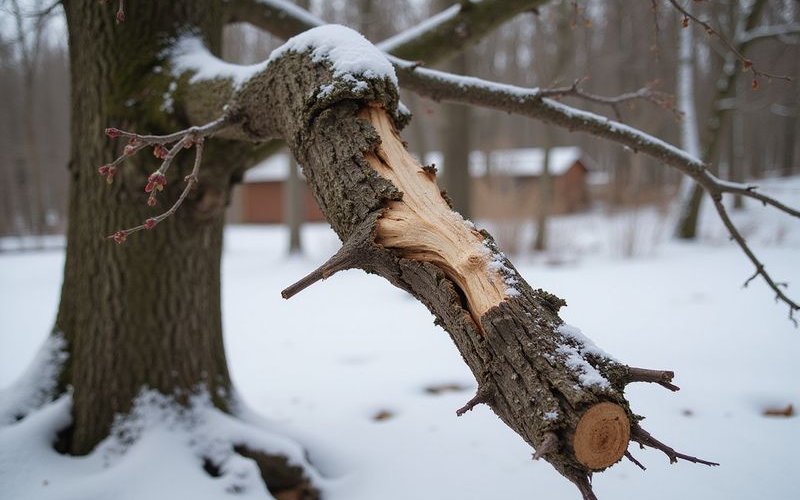
Identify “widow-makers.” Look up for detached branches that are hung up in the canopy. These are significant safety hazards. A gust of wind can dislodge a 50-pound limb instantly. Mark the area below these hazards with caution tape if they hang over a walkway or play area.
Check for “included bark” unions. Winter snow loads test the weak points of a tree. We look closely at V-shaped branch unions where the bark has rolled inward (included bark) rather than forming a ridge. These unions are structurally weak. If you see a fresh crack starting at the crotch of a V-shaped union, that branch is in the process of failing.
Test twigs for vitality. If you aren’t sure if a branch is dead or just dormant, try the scratch test. Use your thumbnail to lightly scratch a small twig. Green and moist underneath means it’s alive. Brown and brittle means it’s dead. Pruning out deadwood (the “three Ds”: Dead, Diseased, Damaged) is the best thing you can do for tree health.
Evaluate the Canopy
Assess spruce budworm signs. St. Louis County is currently in the midst of a Spruce Budworm outbreak. On your balsam fir and white spruce, look at the tips of the branches. If you see brown, chewed needles webbed together, this is likely budworm damage from last season. Early detection allows us to plan treatments for late spring when the caterpillars emerge.
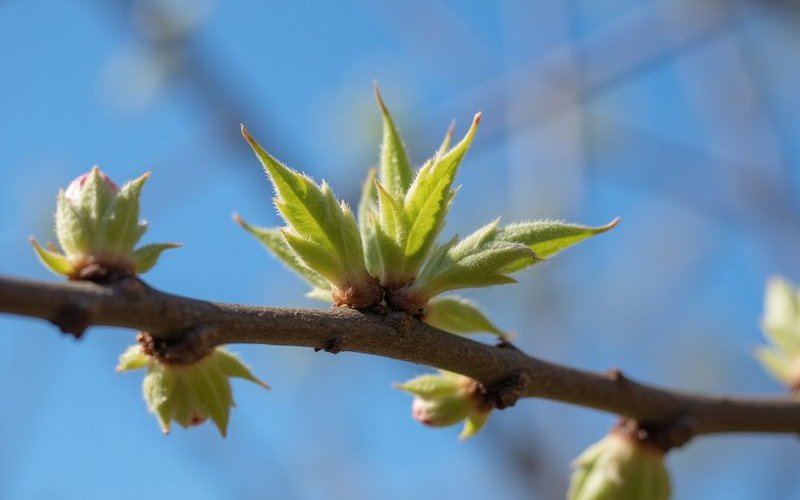
Watch for Anthracnose symptoms. If our spring is cool and wet, fungal diseases like Anthracnose thrive. Watch for leaves that emerge curled, cupped, or with brown, irregular spots. While usually not fatal, repeated defoliation stresses the tree. Raking up fallen leaves from last year reduces the fungal spores available to reinfect the canopy.
Check for winter burn on evergreens. The dry, cold winds coming off Lake Superior can dessicate needles while the roots are frozen. Look for needles that are brown on the tips but green at the base, especially on the south or windward side. This is “winter burn.” These trees usually recover, but they will need extra water throughout May and June to rehydrate.
Specific Issues to Watch For in Duluth
Our landscape presents unique challenges that flat-land suburbs don’t face.
Lake Effect and Salt Spray
Properties in Lakeside, Congdon Park, and along the North Shore deal with saline mist. White Pine is notoriously sensitive to this. If your pines look rusty-brown on the lake-facing side only, salt spray is the culprit. We advise rinsing the foliage of high-value landscape trees in early spring to wash off salt residues.
Slope Instability on Red Clay
Much of Duluth sits on heavy red clay soils. The freeze-thaw cycle can turn this clay into a slide zone. After the deep frost of 2025, check trees on steep slopes for “root plate lifting.” This looks like the soil on the uphill side of the tree is sinking, or the soil on the downhill side is bulging. This indicates the tree is slowly tipping over.
Storm Damage Stubs
Duluth winters often include heavy wet snow events — read our emergency storm damage page if you need immediate help. If you see a branch that snapped off leaving a jagged stub, it needs a clean cut. Trees cannot seal over jagged tears. A proper pruning cut just outside the branch collar allows the tree to compartmentalize the wound and prevent decay from entering the main trunk.
Prioritizing What Needs Attention
Not every issue requires a call to the pros. Use this table to decide your next move.
| Observation | Action Required | DIY or Pro? |
|---|---|---|
| Broken branch under 2 inches diameter | Prune back to the nearest live bud or branch collar. | DIY (with hand pruners) |
| Branch hanging over power line | Stay away. Call Minnesota Power or your utility provider. | Utility Co. |
| Black charcoal fungus at base | Schedule a risk assessment immediately. | Pro Arborist |
| Vole damage (partial) | Install a tree guard to prevent further chewing; water well. | DIY |
| Cracked branch over 4 inches | Requires chainsaw work and safe rigging. | Pro Arborist |
| Ash tree needs pruning | Check calendar. Do not prune May 1 - Sept 30. | Consult Pro |
Immediate Safety Concerns
Contact a professional if you see:
- Cracks affecting the main trunk.
- Trees leaning toward your home or garage.
- Large hanging branches (“hangers”) that you cannot reach from the ground.
Spring Pruning Priorities
Once safety hazards are cleared, focus on health. Pruning young trees for structure now prevents expensive problems later. Removing crossing branches that rub against each other prevents open wounds. Remember the Oak Wilt rule: Paint all oak wounds immediately if you must prune during the risk season (April-July), though avoiding it is far better.
Monitoring Items
Some things just need a watchful eye. Winter burn on yews and arborvitae often grows out by July. Minor frost cracks usually seal themselves. Mark these trees in your calendar to re-check in mid-summer.
The Value of Professional Assessment
We know that a checklist is a great start, but it doesn’t replace a trained eye. An ISA Certified Arborist looks at the biology and physics of the tree together. We can spot the difference between a benign lichen and a structural fungal defect, or identify early EAB signs before the canopy dies back.
For mature trees, the cost of an assessment is a fraction of the value the tree adds to your property. A 2024 analysis of tree removal costs in Minnesota showed that removing a large, hazardous tree often exceeds $1,500. Investing $200 in structural pruning to save that tree is just smart economics.
Northshore Tree Service offers comprehensive spring tree assessments throughout Duluth, Hermantown, Proctor, and the North Shore. Our team understands the specific stress factors of our local microclimates, from the windy hilltops to the clay-heavy ravines.
Whether you need tree trimming and pruning to correct storm damage, tree health treatment for spruce budworm, or tree removal for a hazard that can’t be saved, we provide data-backed recommendations.
Contact us today to schedule your spring walk-through. The frost is out, the buds are swelling, and now is the time to set your landscape up for success. For more on protecting your investment year-round, review our guide on winter tree care for Duluth homeowners.
Need Professional Tree Service?
Call our ISA Certified Arborist for a free estimate. Serving Duluth, MN and the North Shore.
Call (218) 555-0391