How to Prepare Your Trees for Duluth's Winter Storms
How to Prepare Your Trees for Duluth
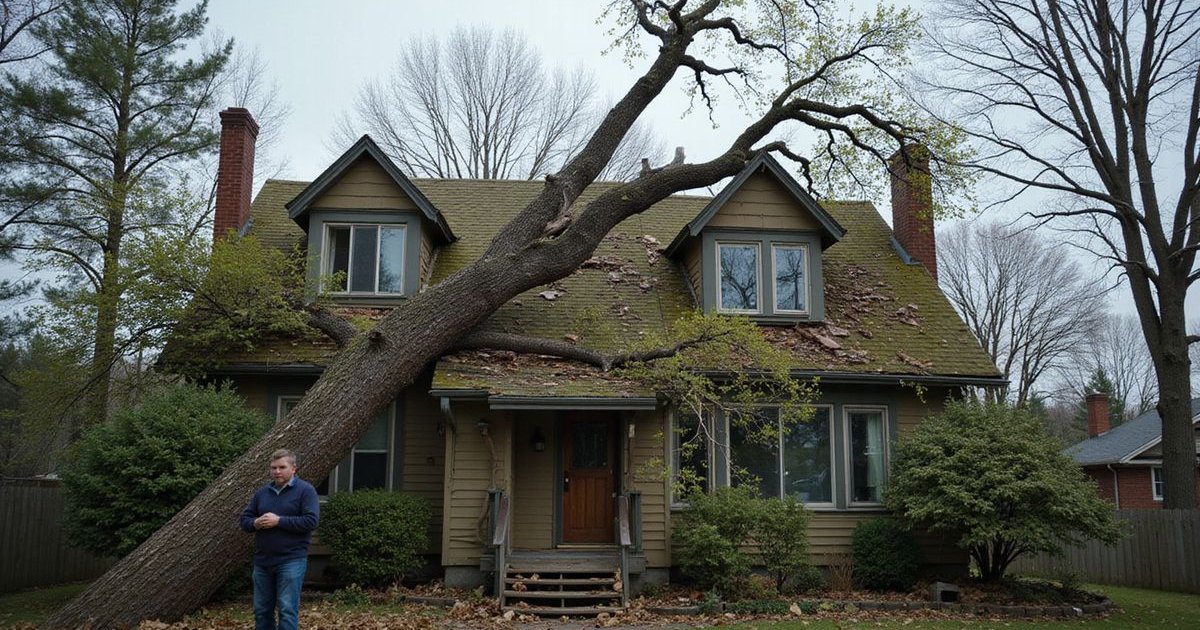
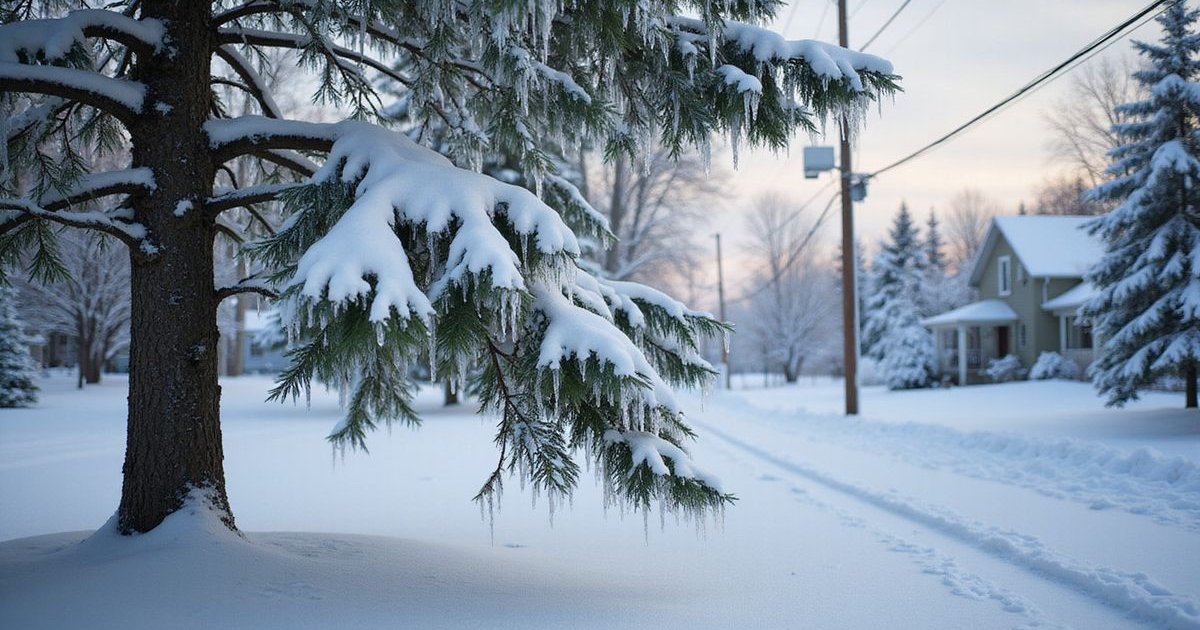
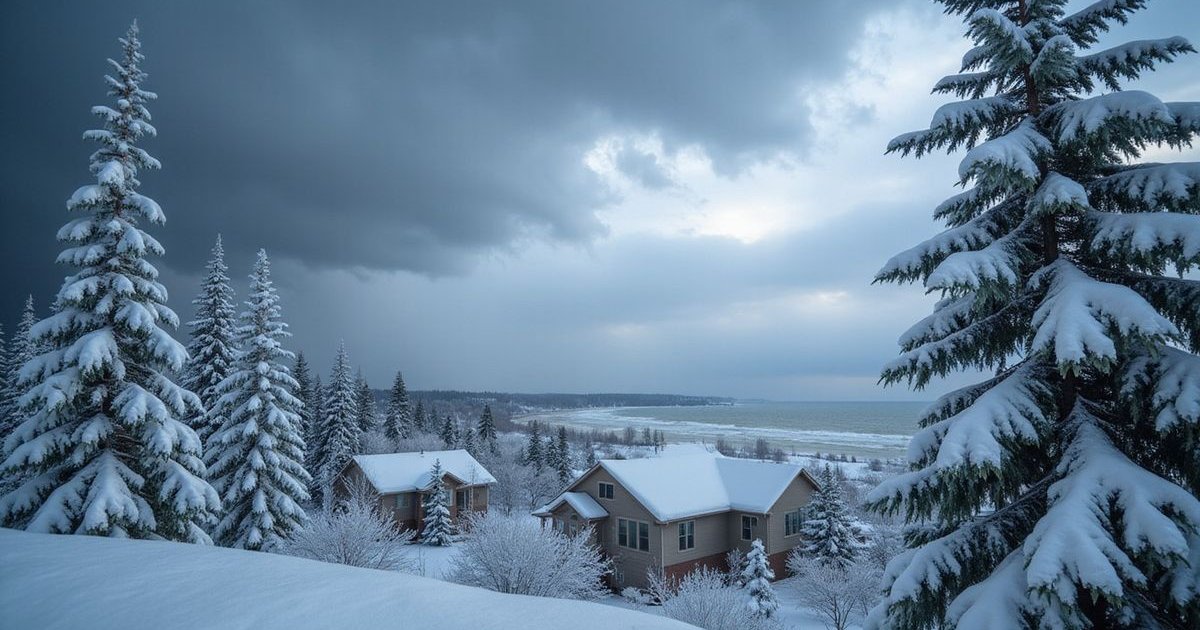
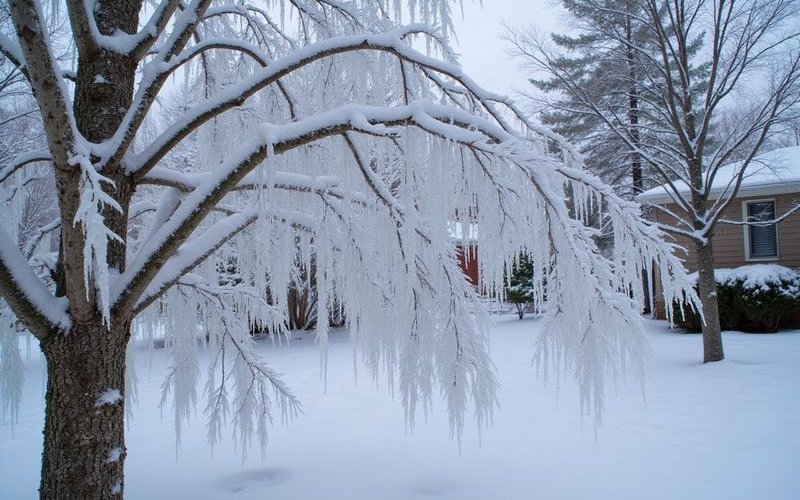
Winter in Duluth is beautiful, but the 90-inch average annual snowfall makes it punishing for our urban forest. Between November and April, trees here endure heavy wet snow, ice storms, sustained winds off Lake Superior, and temperatures that can plunge to minus 30 degrees Fahrenheit. Every year, we see winter storms cause significant damage across St. Louis County, resulting in downed trees, property destruction, and power outages.
Much of this damage is preventable with the right timing. By taking proactive steps before the first hard freeze—typically arriving between October 1 and October 10—you can dramatically reduce the risk of storm-related failure. We have seen the aftermath of countless Duluth winter storms and know exactly which preparation measures save trees.
Assess Your Trees Before Winter Arrives
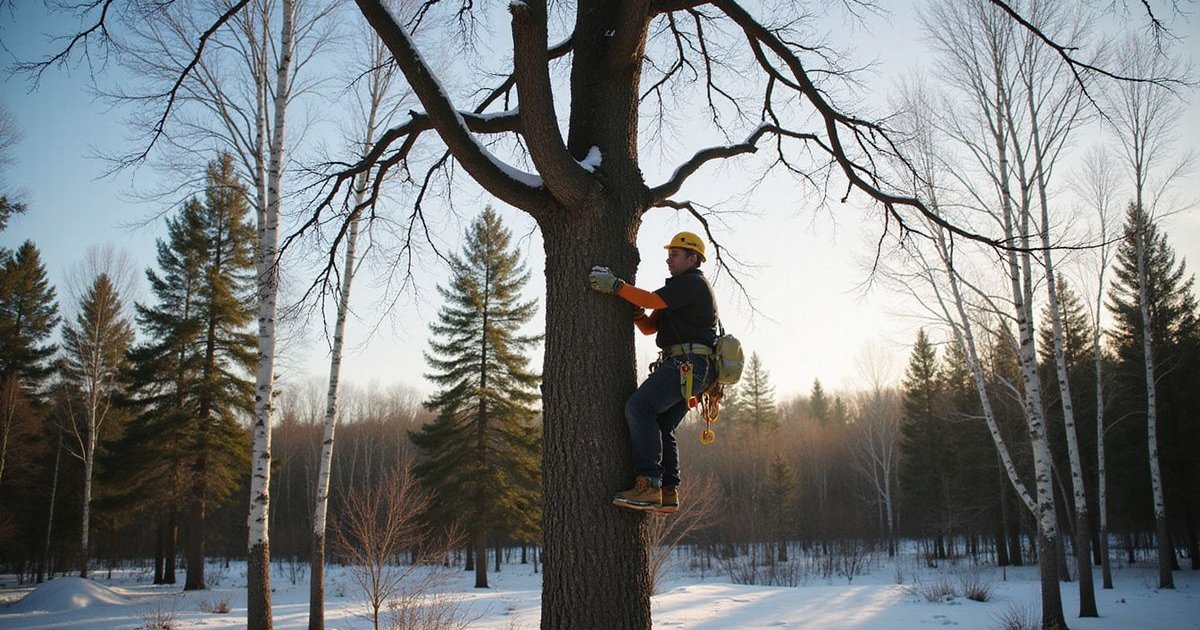
The single most important step is having your trees professionally evaluated before winter sets in. An ISA Certified Arborist can identify structural weaknesses, disease, decay, and other risk factors that make a tree vulnerable to failure. September and October are the ideal months for pre-winter assessments in Duluth because the leaves are still present, allowing the arborist to evaluate canopy health before the snow flies.
Our team looks for dead branches that could break under snow weight, weak branch attachments like codominant stems, and signs of internal decay. This timing also aligns perfectly with the safe pruning window for oaks, as the risk of Oak Wilt transmission drops significantly after October. If your trees have not been evaluated in the past three to five years, scheduling an assessment now is a smart investment in your property’s safety.
Our tree trimming and pruning services include a thorough assessment as part of every job.
Remove Dead and Weakened Branches
Deadwood is the primary source of winter storm debris. Dead branches lack flexibility, meaning they snap cleanly when snow and ice accumulate. Live wood, by comparison, has the elasticity to shed snow loads or flex under ice weight without breaking.
We recommend professional deadwood removal, or “crown cleaning,” for every mature tree near your home, driveway, or walkways. This service eliminates immediate hazards without altering the tree’s shape or health. A single cubic foot of heavy, wet snow can weigh over 20 pounds, turning even small dead branches into dangerous projectiles.
Pay special attention to large dead branches in the upper canopy. A branch just six inches in diameter falling from 50 feet can punch through a roof or crush a vehicle. Learn more about what signs indicate a tree needs attention.
Address Structural Weaknesses
Certain structural defects make trees likely to fail when Lake Superior winds hit 60 mph. Identifying these issues early allows you to correct them for a fraction of the cost of emergency removal.
Codominant Stems
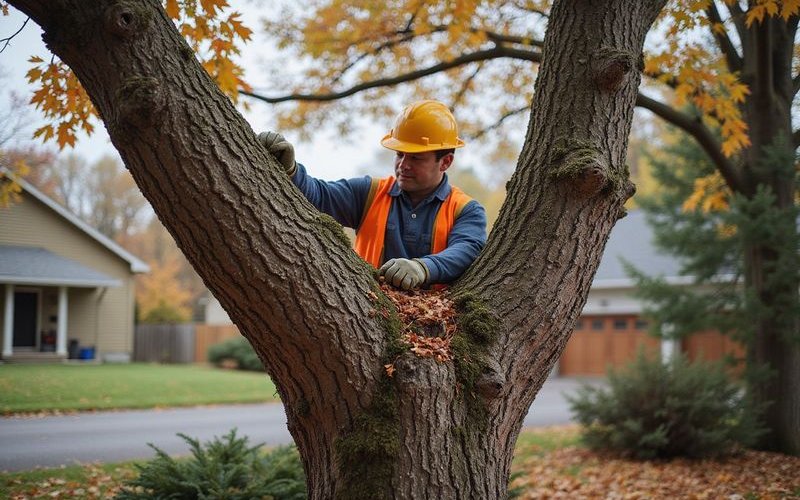
Codominant stems occur when a tree trunk splits into two or more stems of roughly equal size. The junction between them often contains “included bark,” where bark grows into the joint instead of solid wood. This creates a weak connection prone to splitting apart under heavy snow loads.
We often install supplemental support systems using cables and braces to reduce the risk of splitting. In some cases, removing one stem to reduce the load is the better long-term solution. For trees where the risk is too high, removal may be the only safe option.
| Defect Type | Winter Risk Factor | Prevention Cost (Est.) | Emergency Repair Cost (Est.) |
|---|---|---|---|
| Codominant Stems | High risk of splitting at the union | $300 - $800 (Cabling) | $2,500+ (Storm Removal) |
| Overextended Limbs | Prone to snapping under ice load | $200 - $600 (Reduction) | $1,500+ (Roof Repair/Removal) |
| Cracked Branches | Certain failure in high winds | $150 - $400 (Pruning) | $1,000+ (Clean up) |
Overextended Limbs
Branches that have grown long relative to their diameter act like levers during a storm. This issue is common in fast-growing species like silver maple and willow, which produce weaker wood. Our arborists use “crown reduction” pruning to shorten these limbs, reducing the weight at the tip and decreasing the leverage placed on the branch union.
This targeted pruning is fundamentally different from tree topping, which destroys tree health.
Previous Storm Damage
Trees damaged in previous storms often harbor hidden weaknesses. Broken branch stubs can decay inward, weakening the main trunk over time. If your trees sustained damage in past years and were not professionally treated, getting them assessed before another winter is critical for preventing compound failure.
Thin Dense Canopies
Dense canopies catch significantly more snow and ice than open ones. A mature tree with a thick canopy can accumulate thousands of pounds of extra weight during a heavy wet snow event. This mass, combined with wind, can overwhelm even strong branches.
Crown thinning selectively removes interior branches to reduce density. This allows wind and snow to pass through the canopy rather than building up on a solid wall of foliage. Thinning also reduces the “sail effect,” which is vital for trees facing the full force of northeast winds coming off the lake.
We find this particularly valuable for properties along the North Shore or Skyline Parkway. Even a modest 15 to 20 percent reduction in density can save a tree from uprooting during a blizzard.
Protect Young Trees
Young and recently planted trees are especially vulnerable to Duluth’s climate. They lack the established root systems needed to withstand frost heaving and heavy winds.
Stake young trees properly if they are in exposed areas. Use flexible ties that allow some movement, which encourages the trunk to develop strength. Remove these stakes after one growing season to prevent girdling.
Wrap thin-barked species. Young maples, honey locusts, and fruit trees are susceptible to sunscald. This occurs when the bright winter sun reflects off the snow, heating the bark during the day, followed by a rapid freeze at night. We advise applying paper tree wrap in late October and removing it in April to prevent vertical bark cracking on the south and southwest sides.
Brush snow off small evergreens. If your arborvitae or junipers accumulate heavy snow, gently brush it off with an upward sweeping motion. Never shake the tree violently or strike it, as frozen branches are brittle and will snap.
Mulch and Water Before Freeze-Up
Healthy trees resist winter injury better than stressed ones. Two simple steps in the fall can significantly improve winter survival rates.
Apply mulch. A three to four-inch layer of organic wood chip mulch insulates the root system. This buffer moderates soil temperature swings during our notorious freeze-thaw cycles and retains moisture. Keep the mulch pulled back three inches from the trunk to prevent the bark from rotting.
Water deeply until the ground freezes. Duluth’s clay soils can dry out in late autumn. A deep watering session in late October ensures trees enter dormancy with adequate hydration. We recommend continuing this weekly until the soil freezes solid, usually by mid-November.
Know Your High-Risk Trees
Some trees pose a greater threat to your property than others. Prioritize pre-winter care for these specific high-risk categories.
Ash Trees (Fraxinus species). With the Emerald Ash Borer (EAB) quarantine in effect for St. Louis County, ash trees are already under stress. Infested or declining ash trees become brittle and dangerous very quickly.
Fast-growing, weak-wooded species. Silver maple, boxelder, willow, and cottonwood are prone to breakage. These “soft hardwoods” appear frequently in our storm damage reports and require more frequent inspection.
Trees overhanging structures. A branch failure over a roof or garage is the most expensive winter surprise. Pruning these limbs back provides immediate peace of mind.
Trees near power lines. While Minnesota Power manages vegetation within their main easements, the service drop to your house is often your responsibility. Keep branches clear of these lines to avoid losing heat during a storm.
Create an Emergency Plan
Even the best preparation cannot stop every storm. Having a clear plan reduces stress when an emergency occurs.
Identify a 24/7 tree service. Most companies cannot handle dangerous storm work. Confirm you have the number for a provider that offers emergency storm damage service. Save this contact in your phone now so you aren’t searching during a power outage.
Review your insurance policy. Standard homeowners policies typically cover damage to structures but may have limits on debris removal. Our insurance claim guide explains the nuances of coverage and deductibles.
Locate utility shutoffs. Know exactly where your gas and water shutoff valves are located. If a tree damages your home’s infrastructure, turning these off quickly can prevent secondary disasters.
Start Preparing Now
Winter arrives decisively in Duluth. Once the ground freezes and snow accumulates, the window for effective prevention closes. The ideal time for this work runs from September through early November.
At Northshore Tree Service, our fall schedule fills up fast as neighbors prepare for the season. Contact us today to schedule your pre-winter assessment. Our ISA Certified Arborist will identify risks and recommend the specific pruning and maintenance needed to keep your property safe. A small investment in preparation now is far better than a large bill for storm damage later.
Need Professional Tree Service?
Call our ISA Certified Arborist for a free estimate. Serving Duluth, MN and the North Shore.
Call (218) 555-0391