Should You Leave a Tree Stump or Grind It? Pros and Cons
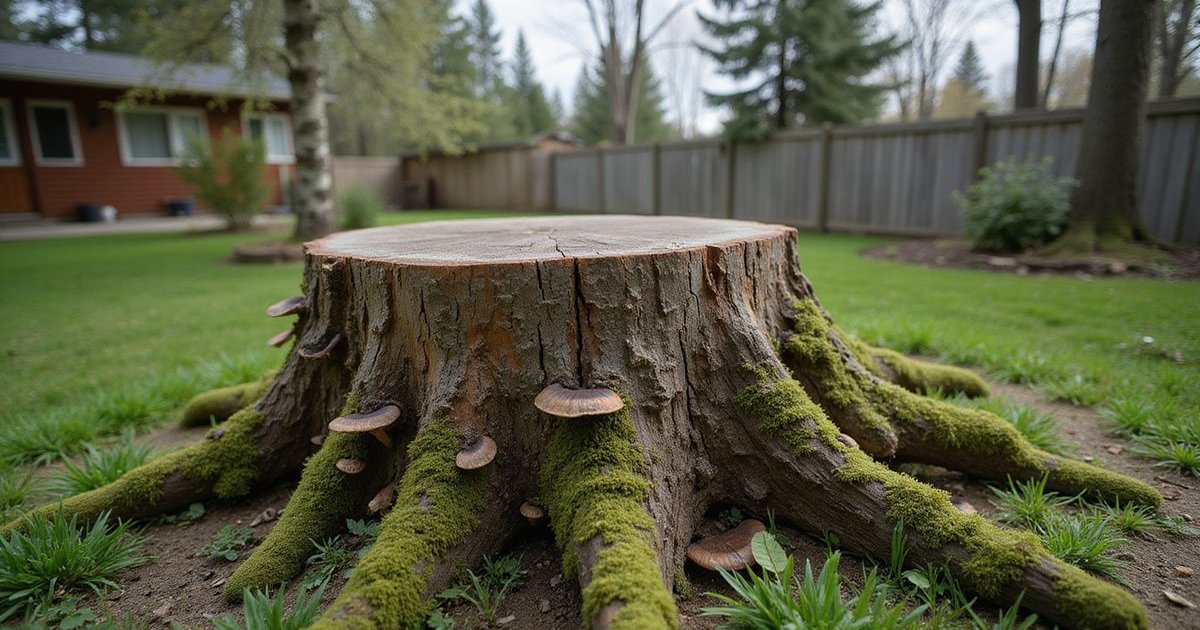
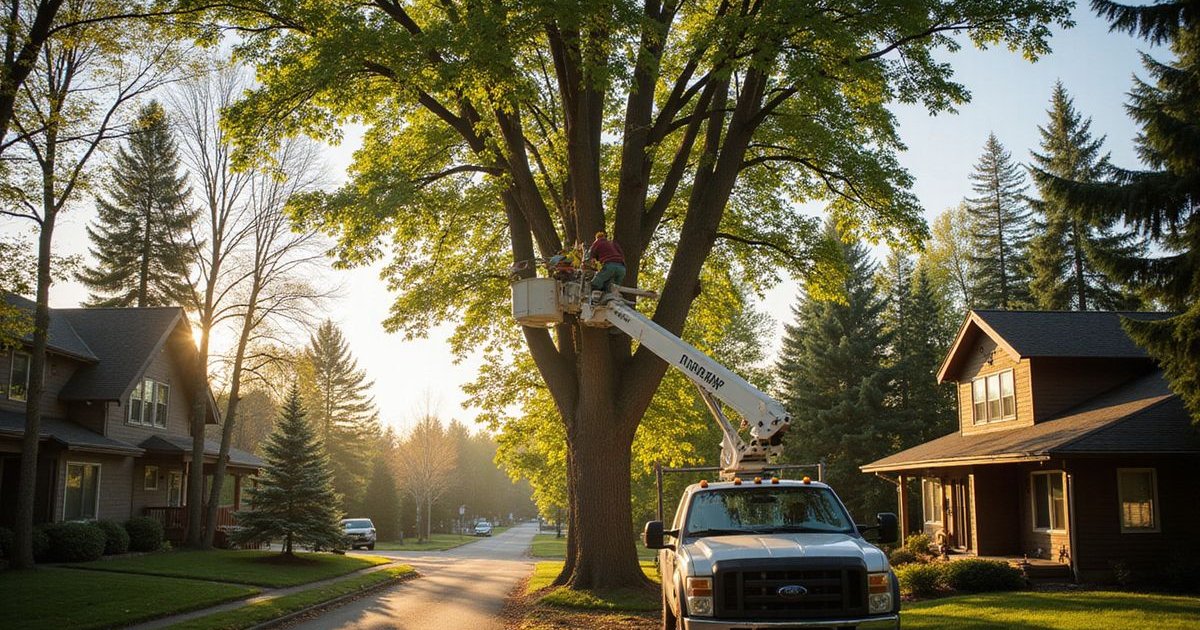
After a tree comes down on your Duluth property, whether from a planned tree removal or a storm event, you face a decision that stumps—pun intended—many homeowners. You have to choose between leaving that remnant in place or investing in having it professionally ground out.
It is a fair question to ask. Stump grinding represents an additional line item on your bill. The stump is not going anywhere on its own anytime soon. This is especially true in our northern Minnesota climate where deep freezes slow decomposition to a crawl.
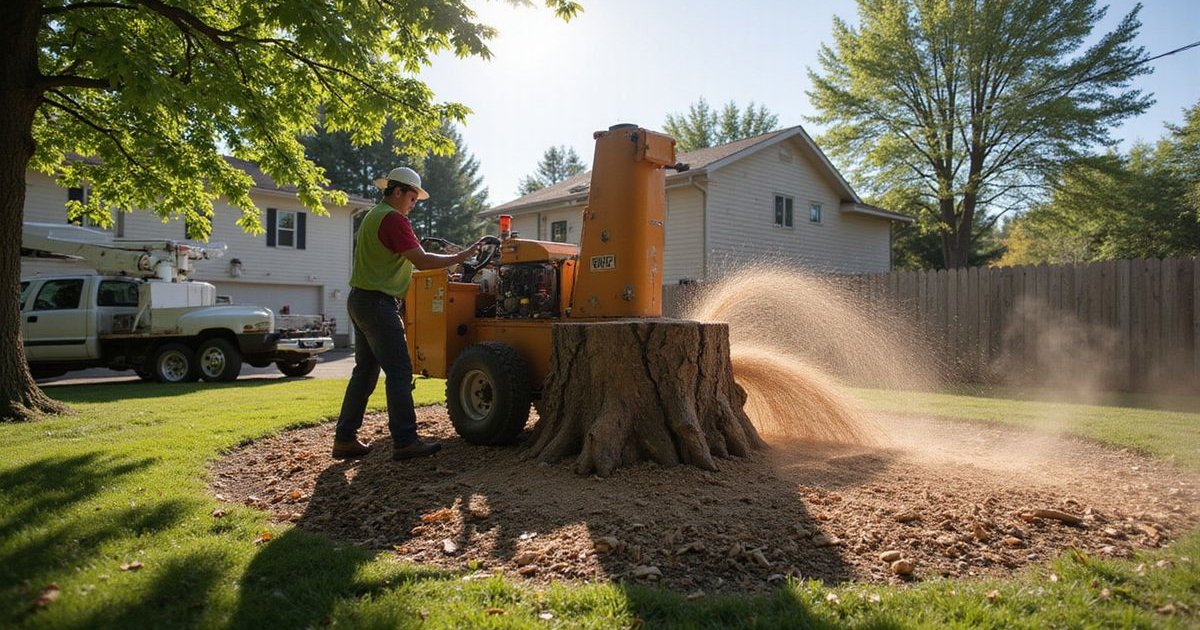
Our team has worked with thousands of homeowners on this exact decision. Here is an honest, data-backed breakdown of the pros and cons to help you make the right choice for your landscape.
The Case for Leaving the Stump
There are legitimate scenarios where a homeowner might choose to leave a tree stump in place. Sometimes, doing nothing is a valid option.
Lower Immediate Cost
The most obvious advantage is financial. Leaving a stump costs exactly zero dollars upfront. Professional stump grinding involves an additional expense that typically ranges from $150 to over $400 depending on the diameter. For homeowners already stretching their budget after a large removal, deferring this cost eases immediate financial pressure.
That said, timing matters for your wallet. Stump grinding costs approximately 20% to 30% less when done at the same time as the removal. The equipment and crew are already on site. This eliminates the mobilization fees required to bring a machine back out later.
Potential Landscape Feature
Some homeowners intentionally incorporate stumps into their landscape design. A well-positioned stump can serve as a rustic pedestal for potted plants. It might act as a natural seat in a garden area. In wooded properties along the North Shore or in Duluth’s more forested neighborhoods like Lester Park and Lakeside, a stump often looks natural.
We have seen this work effectively, but there is a caveat. This approach only succeeds when the stump is in good condition and located in a spot that enhances your design. A rotting, moss-covered stump in the middle of a manicured front lawn usually looks like neglected maintenance rather than a feature.
Wildlife Habitat Support
Decaying stumps provide essential habitat for beneficial insects, small mammals, and fungi. Native solitary bees often nest in soft wood. If your property borders natural areas, leaving a stump in a peripheral zone supports local ecology. This is a reasonable consideration for larger Duluth properties that adjoin wooded areas near Spirit Mountain, Hartley Park, or the Superior Hiking Trail corridor.
The Case Against Leaving the Stump
While the arguments for keeping a stump have merit, the reasons for removal tend to be far more compelling for the average residential property.
Pest and Disease Concerns
This is the most critical issue for homeowners to understand. A decaying tree stump acts as a beacon for wood-boring insects. Carpenter ants are a primary concern in our region. These pests readily move from decaying stumps to nearby wooden structures. This includes your home’s framing, deck, and siding.
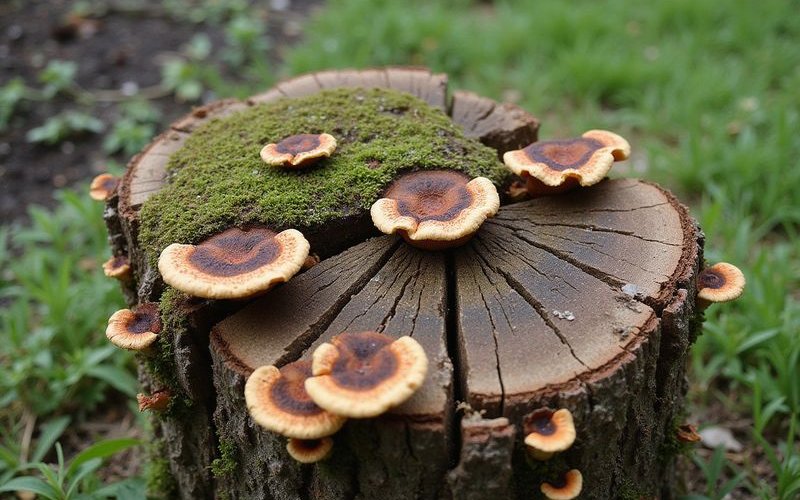
We also need to consider pathogens. If the tree was removed due to disease, the stump often harbors pathogens that spread to nearby healthy trees. This is especially relevant for ash trees affected by the emerald ash borer and oaks vulnerable to oak wilt. Removing the stump eliminates a potential disease reservoir on your property.
Fungal decay organisms colonize stumps quickly. They can spread through root grafts to neighboring trees of the same species. In Duluth neighborhoods where mature trees grow close together, this underground disease transmission creates a risk many homeowners overlook.
Unwanted Regrowth and Suckers
Many tree species aggressively sprout new shoots from a remaining stump. These “suckers” steal nutrients from the dying root system and try to regenerate the tree. In the Duluth area, species notorious for suckering include:
- Elm: Produces vigorous sucker growth that can appear across a wide radius.
- Maple: Sends up resilient shoots from the stump and surface roots.
- Poplar and Aspen: These are among the worst offenders. They produce dense sucker colonies that ruin lawns.
- Willow: Regenerates aggressively from any remaining stump wood.
- Boxelder: Sprouts persistently. It is difficult to eliminate without full removal.
Managing these suckers becomes a long-term chore. You must cut them repeatedly throughout the growing season. Over several years, the time and effort spent managing sucker growth often exceed the one-time cost of professional grinding.
Tripping Hazards and Liability
A tree stump in your yard is a tripping hazard. You may know exactly where it is. Visitors, delivery drivers, children, and elderly guests often do not. This danger increases when grass grows tall around the stump, camouflaging it from view.
We always advise looking at this from a liability perspective. A known hazard on your property that causes someone to trip and fall creates unnecessary legal exposure. Duluth homeowners should consider this risk seriously. This is vital if the stump sits near walkways, driveways, or areas where children play.
Mowing and Maintenance Frustrations
Any homeowner who has tried to mow around a stump knows the frustration. Stumps create “dead zones” in your lawn that collect weeds. They force you into awkward mowing patterns. Clipping a hard stump with your mower blade can cause expensive damage to your equipment’s crankshaft.
Surface roots present another challenge. Over time, roots from a remaining stump can buckle sidewalks. They interfere with underground utilities. They create uneven ground that worsens with each freeze-thaw cycle. In Duluth, our frost line extends over four feet deep. This ground movement is more pronounced here than in milder climates.
Comparing the Options
To help you visualize the trade-offs, here is how the two choices stack up against each other.
| Feature | Leaving the Stump | Professional Grinding |
|---|---|---|
| Upfront Cost | $0 | $150 - $450+ (Average) |
| Long-Term Maintenance | High (mowing, suckers, pests) | None |
| Pest Risk | High (ants, termites, beetles) | Low |
| Aesthetics | Generally poor | Clean, open slate |
| Safety | Tripping hazard | Safe, level ground |
| Decomposition Time | 5-15+ years | Immediate |
Property Value and Curb Appeal
Real estate professionals consistently identify tree stumps as a negative factor in property aesthetics. If you plan to sell your Duluth home, old stumps signal deferred maintenance to potential buyers. The cost of stump grinding is a fraction of the value lost when a buyer sees a yard dotted with rotting wood.
Slow Natural Decomposition
Natural stump decomposition takes far longer than most people realize in our zone. A hardwood stump from an oak or maple often persists for 10 to 15 years before it fully decays. Even softwood stumps from pine and spruce take 5 to 7 years to break down significantly.
You deal with the pest, regrowth, safety, and aesthetic issues during this entire decade-long period. The stump is not just sitting there harmlessly. It is actively creating problems while very slowly decomposing.
When Leaving a Stump Makes Sense
Despite the strong case for removal, there are specific situations where leaving a stump is reasonable.
Remote location on a large property. If the stump sits in a wooded or naturalized area far from your home, the risks drop significantly. The stump will decompose as part of the natural forest cycle without endangering your foundation or pipes.
Temporary budget constraints. If you need to phase the work due to costs, deferring stump grinding for a season is acceptable. Just be aware that wood begins to soften unevenly over time. This can make grinding slightly more messy later on.
Intentional landscape incorporation. A genuine design plan can utilize a stump effectively. Carving it into a planter or birdbath base works beautifully when done with clear intent.
When You Should Definitely Grind
We recommend immediate grinding in the following scenarios.
The tree had disease. You must remove the disease reservoir. This is critical for controlling common tree diseases in our area.
The stump is near your home. Grinding prevents pest migration if the stump is within 20 feet of your foundation. It also stops root damage to your pipes.
The stump is in an active area. The stump should go if it sits anywhere people walk or children play. It also needs to be removed if it blocks your regular mowing path.
You plan new landscaping. You cannot plant a new tree or install a patio over an old stump. Whether you are establishing a garden bed or laying sod, the wood needs to be ground out first.
You see sucker growth. Grinding is the only effective way to stop suckers permanently. Once a stump starts producing them, it will not stop without intervention.
The Bottom Line
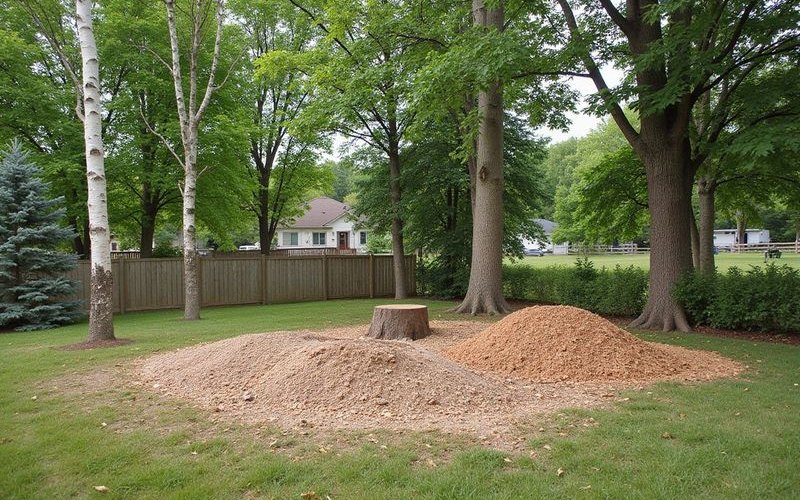
For most Duluth homeowners, grinding the stump is the right call. The ongoing maintenance headaches and pest risks almost always outweigh the one-time cost of professional grinding.
The best time to grind a stump is immediately after tree removal when equipment is already on site. The second-best time is right now. Stumps do not improve with age. The problems they cause tend to compound over time.
Our team at Northshore Tree Service is happy to provide an honest assessment if you are weighing this decision. We provide free on-site estimates to help you decide. We will tell you candidly whether a particular stump is worth grinding or if it is in a location where leaving it is perfectly acceptable. To learn more about the grinding process itself, read our detailed guide on what to expect from a stump grinding service.
We serve homeowners throughout Duluth, Hermantown, Proctor, and communities along the North Shore. Our recommendations are always based on what is best for your trees and property. We never upsell services you do not need.
Need Professional Tree Service?
Call our ISA Certified Arborist for a free estimate. Serving Duluth, MN and the North Shore.
Call (218) 555-0391