How Often Should You Trim Your Trees? An Arborist's Guide by Species
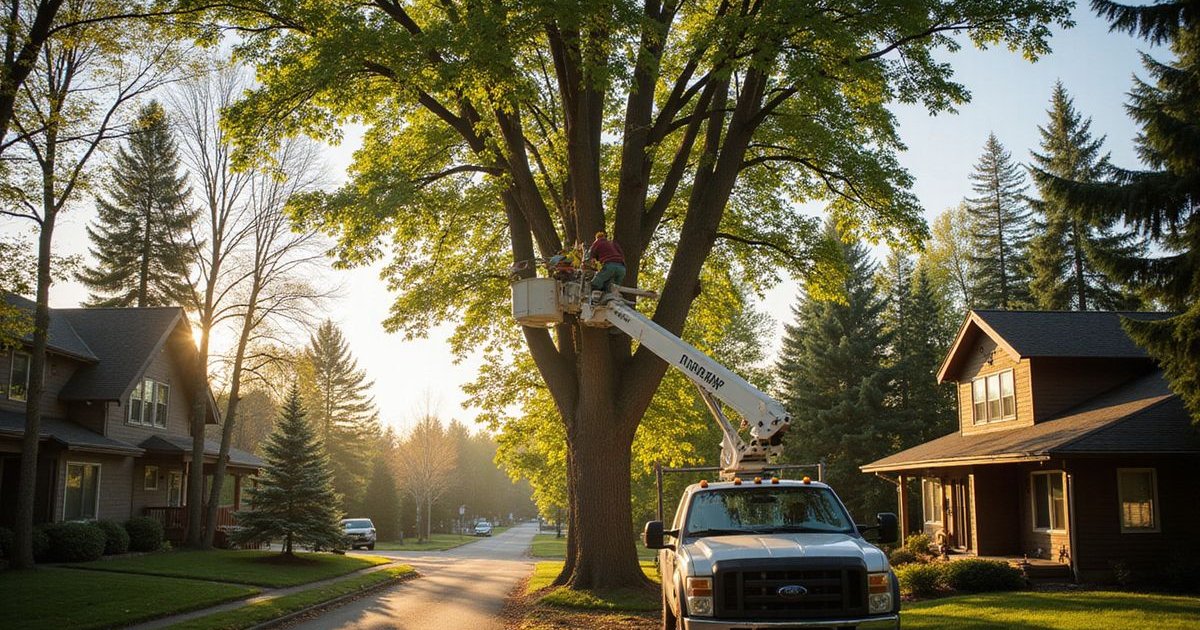
One of the questions we hear most frequently from Duluth homeowners involves the timing of tree care. It is a valid concern, especially given our specific climate in USDA Hardiness Zone 4b. The answer depends heavily on the specific biology of your landscape and the age of your canopy. Regular tree trimming and pruning remains the single most effective way to extend the lifespan of your greenery. Finding the right schedule requires looking at more than just the calendar.
General Trimming Guidelines for Duluth Trees
Most mature trees in our region need a professional inspection and structural maintenance trim every three to five years. We base this recommendation on typical growth rates and the time it takes for deadwood to accumulate to hazardous levels. Younger trees are different. Because they are still establishing their structural form, they often require attention every two to three years.
Fast-growing species or those prone to storm damage may need annual checks. These timelines serve as a baseline, but industry standards like the ANSI A300 pruning protocols suggest tailoring care to the specific tree type. Below is a breakdown of how we handle the most common species in the North Shore region.
Trimming Schedules by Species
Deciduous Hardwoods
Sugar Maple and Red Maple Maples define the Duluth landscape with their vibrant fall colors. For established maples, a cycle of three to five years is usually sufficient to manage canopy density and remove dead limbs. Young maples need structural pruning every two to three years specifically to prevent “codominant stems,” which are weak V-shaped unions that can split during heavy snow loads.
Timing is critical for this species. We recommend pruning maples in late winter while they are fully dormant. Cutting them in early spring often results in “bleeding,” where sap flows profusely from the wounds. While this loss of sap generally does not harm the tree’s health, it creates sticky messes on patios and can attract nuisance insects like wasps.
Oak (Red Oak and Bur Oak) Oaks are resilient, long-lived trees that typically require less intervention than softwoods. Mature oaks often thrive with a five to seven-year pruning cycle unless storm damage occurs. Young oaks should be inspected every three to four years to ensure they develop a single central leader.
Important Oak Wilt Warning Minnesota faces a serious threat from Oak Wilt, a fungal disease spread by sap beetles. These beetles are most active when temperatures rise. To protect your trees, oaks should only be pruned during the dormant season, which is generally November through March. If emergency pruning is necessary during the high-risk period (April through July) due to storm damage, we must immediately seal the wound with latex paint or shellac. This is the only exception to the general rule against using wound dressings.
Ash (Green Ash and Black Ash) The presence of the Emerald Ash Borer (EAB) in Duluth has changed how we manage this species. Healthy ash trees being preserved with insecticide treatments should be trimmed every three to four years to maintain vigor. Untreated ash trees have a mortality rate near 99% once infested. Consequently, many homeowners now prioritize tree removal for declining ash rather than investing in maintenance pruning.
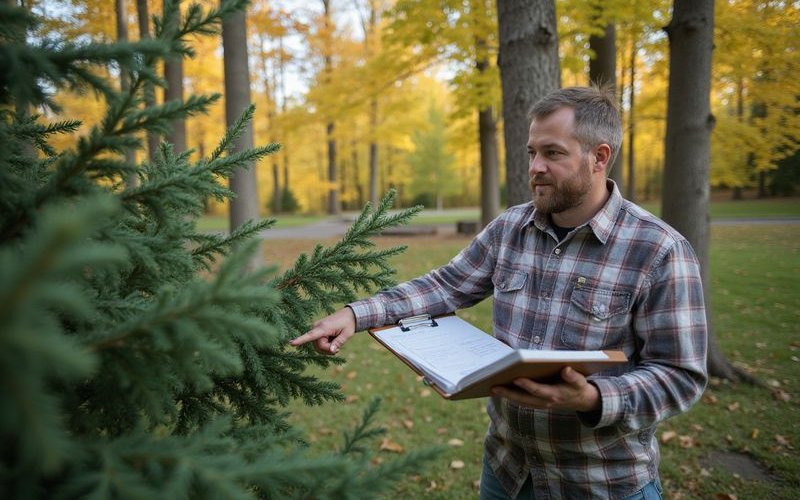
Paper Birch and Yellow Birch Birch trees are synonymous with northern Minnesota, but they are sensitive to heat and drought. A trimming cycle of three to four years helps remove deadwood, which is common in birch canopies. Proper pruning also improves airflow, helping the tree resist pests like the Bronze Birch Borer.
Avoid pruning birch during the flight season of the borer, which typically runs from May through August. The best time to prune birch is late summer or fall. Like maples, birch trees are “bleeders” if cut in late winter or spring. Pruning after leaves have fully hardened off prevents this sap flow.
Elm (American Elm and Siberian Elm) Survivors of the initial Dutch Elm Disease (DED) waves are precious assets. We recommend trimming elms every three to five years to eliminate deadwood that attracts elm bark beetles. State guidelines and best practices dictate a strict “no prune” window for elms during the growing season. To reduce DED transmission risk, do not prune elms from April 1 through July 31. Dormant season work is the safest approach.
Quick Reference: Pruning Windows and Risks
| Tree Species | Best Time to Prune | High-Risk Period (Avoid) | Primary Concern |
|---|---|---|---|
| Oak | Nov - March | April - July | Oak Wilt Infection |
| Elm | Nov - March | April - July | Dutch Elm Disease |
| Birch | Aug - Dec | May - Aug | Bronze Birch Borer |
| Maple | Dec - Feb | March - May | Sap Bleeding (Aesthetic) |
Deciduous Softwoods
Aspen (Quaking Aspen and Bigtooth Aspen) Aspen grow rapidly and have a relatively short lifespan compared to oaks or maples. They are prone to developing heart rot and canker diseases. Trees near buildings should be trimmed every two to three years to manage weight and remove dead limbs. Many property owners eventually choose to replace aging aspen with longer-lived hardwoods to reduce long-term maintenance costs.
Cottonwood and Willow These species are notorious for weak wood and fast growth rates, sometimes exceeding 3 to 6 feet per year. Cottonwoods and willows drop branches frequently. Annual inspections are wise if these trees overhang structures, with hard trimming required every two to three years. Given their tendency to shed limbs during our Lake Superior gales, they are frequent candidates for removal when located in high-traffic areas.
Coniferous (Evergreen) Trees
White Pine and Red Pine Pines generally require less “structural” pruning than broadleaf trees because they naturally maintain a strong central stem. Mature pines usually need deadwooding every five to seven years. Young pines may benefit from “candling” (pinching back new growth) every three to four years to encourage denser foliage, but this is an aesthetic choice rather than a health requirement.
Spruce (White Spruce, Black Spruce, Colorado Blue Spruce) Spruce trees have a pyramidal form that rarely needs correction. We typically inspect them every five to seven years. The most common issue with Colorado Blue Spruce in our humid climate is Cytospora canker, which kills lower branches. Removing these dead lower limbs improves airflow and slows disease progression.
Balsam Fir Balsam firs are native staples in our local forests. In a residential setting, they are extremely low maintenance. A cycle of five to seven years is adequate for clearing out dead interior branches. Note that unlike some deciduous trees, conifers will not regrow from old wood. Cutting back into the “dead zone” (where there are no green needles) results in permanent brown stubs.
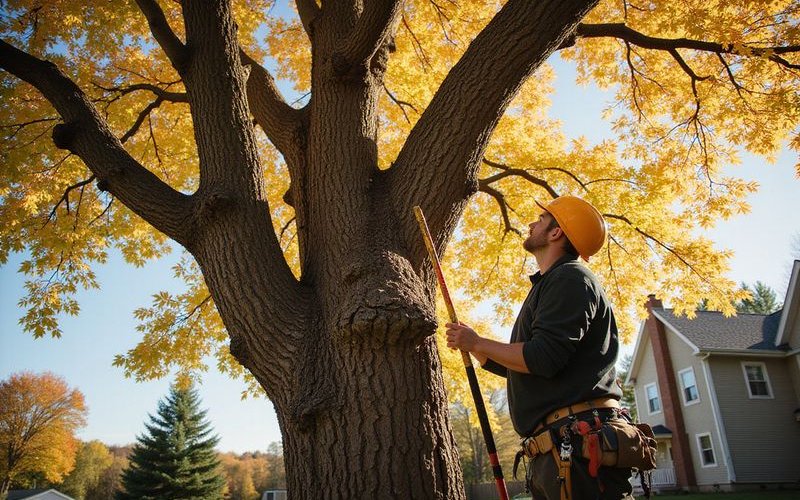
Factors That Affect Trimming Frequency
Your specific landscape conditions can accelerate or delay the need for service.
Tree Age and Development Stage
Young trees (years 1-15) provide the highest return on investment for pruning. Structural pruning during this phase establishes a “scaffold” of well-spaced branches. Correcting a crossing branch when it is one inch in diameter takes minutes and causes minimal stress. Waiting until that branch is 12 inches thick requires a major amputation that opens the tree to decay.
Mature trees shift the focus to preservation. We aim to remove deadwood and reduce weight on overextended limbs. The goal is to prevent failure while retaining as much live foliage as possible.
Location and Exposure
Duluth’s topography creates unique microclimates. Trees on the hillside or near Lake Superior face high wind loads and ice accumulation. This constant stress can cause “reaction wood” and structural cracks. Properties exposed to the full force of the lake or located on ridgelines should be inspected more frequently than those sheltered in the valleys.
Proximity to Structures and Utilities
Safety overrides general biological schedules. Trees overhanging roofs or driveways need a two to three-year cycle to maintain clearance. Minnesota Power manages vegetation near high-voltage lines, but the service drop to your house is often your responsibility. Pruning for clearance prevents physical damage to your siding and reduces pathways for rodents to enter your attic.
Storm Damage History
Past trauma changes a tree’s future needs. Storm-damaged trees often develop decay at the site of the break. A tree that lost a major leader in a summer storm should be checked annually for several years to monitor how it seals the wound (compartmentalization). Our storm preparation guide outlines specific steps to fortify your trees against these events.
Signs Your Trees Need Trimming Now
You do not always need to wait for a scheduled anniversary to call a professional. Look for these immediate indicators:
- Included Bark: This looks like a deep “V” where two stems meet, with bark rolling inward at the seam. This is a weak union prone to splitting.
- Fungal Conks: Mushroom-like brackets growing on the trunk often indicate internal heart rot or decay.
- Dead branches (Hangers): Any branch larger than 2 inches in diameter that is dead or detached (hanging) poses a risk to people below.
- Crossing branches: Limbs that rub against each other wear away bark, creating an entry point for pathogens.
- Roof clearance issues: Branches should be cleared at least 6-10 feet away from your roof to prevent mechanical damage and deter squirrels.
- Water sprouts: Fast-growing vertical shoots on horizontal branches indicate the tree is stressed or was previously over-pruned.
The Cost of Neglecting Tree Trimming
Deferring maintenance often results in a “reactive” approach that costs significantly more. A standard maintenance trim might cost a fraction of what is required to remove a tree that has split apart during a storm. Emergency removals involving cranes and crews working on weekends come at a premium.
Property value is another financial consideration. Healthy, mature trees can increase residential property value by 3% to 15%. Allowing a tree to decline due to neglect effectively lowers your property’s asset value. Check our tree removal cost guide to understand the financial difference between preservation and removal.
Creating a Trimming Plan for Your Property
Smart property management means shifting from reacting to problems to preventing them. Working with a certified arborist allows you to build a multi-year plan. This inventory approach lists every tree, its condition, and its specific needs.
At Northshore Tree Service, we conduct comprehensive assessments to prioritize your risks. We can identify which trees need immediate work and which can wait until next season. This helps you budget for tree care as a predictable operational expense rather than getting hit with surprise bills.
Contact us today to schedule a property assessment and establish a tree trimming plan tailored to your Duluth property.
Need Professional Tree Service?
Call our ISA Certified Arborist for a free estimate. Serving Duluth, MN and the North Shore.
Call (218) 555-0391