Duluth Tree Removal Permits: What Homeowners Need to Know in 2026
[AddInfographic]
Before you even think about firing up the chainsaw on your Duluth property, you need to know where the city draws the line. From what we see in the field, most homeowners assume they have total control over trees on their land, but Duluth’s Unified Development Chapter (UDC) often says otherwise.
Violating these ordinances doesn’t just risk a slap on the wrist; it can lead to mandatory replanting orders and fines that scale with the value of the tree. The regulations in 2026 are stricter than in years past, especially regarding the urban canopy and invasive species management.
Here is the exact breakdown of the rules we follow at Northshore Tree Service to keep our clients compliant and penalty-free.
Quick Check: Do You Need a Permit?
We’ve simplified the city’s complex zoning codes into this quick reference table to help you decide your next move.
| Tree Location / Type | Single-Family Home | Commercial / Multi-Family |
|---|---|---|
| Boulevard (Street Terrace) | Permit Required (City Property) | Permit Required (City Property) |
| Private Yard (Standard) | Generally No Permit Needed | Permit Required (UDC Sec 50-25) |
| Shoreland / Water Overlay | Permit Likely (Vegetation Mgmt Plan) | Permit Required |
| Historic / Skyline Overlay | Permit Likely (Design Review) | Permit Required |
| Ash Tree (EAB) | No Permit (Disposal Rules Apply) | Permit Required |
Boulevard Trees: Public Property, Public Rules
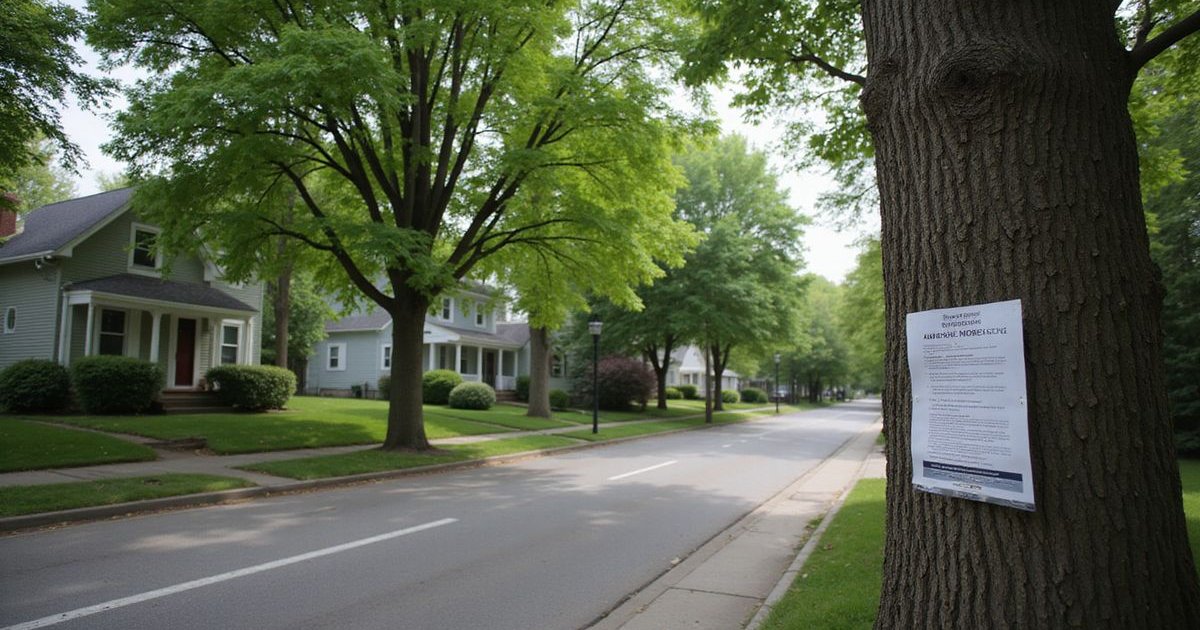
The strip of grass between your sidewalk and the curb is technically public right-of-way, and the trees there belong to the City of Duluth. Even though you mow the grass, you are strictly prohibited from removing, pruning, or attaching anything to these trees without authorization from the City Forester.
City Code Section 35-28(a)(2) specifically bans citizens from operating power equipment on city trees. If a boulevard tree is dead, dying, or blocking a stop sign, your only legal option is to report it.
How to Handle a Hazardous Boulevard Tree
If you spot a danger, don’t take matters into your own hands. You should file a Dangerous Tree Report through the city’s website or contact the Parks and Recreation Division directly.
Pro-Tip from our crew: If you aren’t sure where your property line ends and the right-of-way begins, don’t guess. You can email the City Engineering department (engineer@duluthmn.gov) to request specific right-of-way measurements for your street. We have seen homeowners cut down a tree they thought was theirs, only to face a bill for the full replacement cost—which can run into the thousands for a mature elm or maple.
Private Property: When You Need Approval
For standard single-family homes, you generally do not need a permit to remove a tree in your own backyard. However, this exemption disappears instantly if your property falls into a protected overlay district.
Shoreland Management Zones
If your home is near Lake Superior, the St. Louis River, or other protected waters, you are likely in the Shoreland Overlay District (UDC Section 50-18.1).
These rules prohibit “intensive vegetation clearing” within the Shore Impact Zone—typically 50 to 100 feet from the Ordinary High Water Level. You are allowed to trim trees to create a view corridor, but clear-cutting is illegal. Removing trees here usually requires submitting a vegetation management plan to the Land Use Supervisor to prove you won’t cause erosion.
Skyline Parkway Overlay
Properties along the historic Skyline Parkway have their own set of rules designed to protect the scenic views that make Duluth famous.
We often have to work with the city’s Planning Division for clients in this zone. The city may restrict removal if it negatively impacts the “green ribbon” appearance of the hillside, or conversely, they may actually require trimming if your trees are blocking a designated public view.
Commercial and Multi-Family Lots
Business owners and landlords face a completely different standard. Under UDC Section 50-25, almost all vegetation on commercial or multi-family sites is part of an approved Landscape Plan.
You cannot remove a tree from a commercial lot without written approval from the Community Development Department. If a tree dies, you are typically required to replace it to maintain the “tree density units” specified in your original site plan.
The Emerald Ash Borer (EAB) Quarantine
St. Louis County is currently under a strict quarantine for Emerald Ash Borer. If you suspect your ash trees are affected, our tree health and disease treatment assessment can help you decide the best course of action. While you don’t need a permit to cut down your own private ash tree, you are legally restricted in how you handle the debris.
The “Flight Season” Warning: The Minnesota Department of Agriculture warns against pruning or removing ash trees during the active flight season, which runs from May 1 to September 30. Cutting during this window releases pheromones that attract beetles to your healthy trees. We strongly recommend scheduling ash removals for late fall or winter (October through April).
Disposal is Critical: You cannot transport firewood or ash debris outside the quarantine zone. If you hire a professional service, ensure they have a Compliance Agreement with the state to handle the wood legally. If you do it yourself, the wood must be burned or chipped on-site.
How to Apply for a Tree Removal Permit
Gone are the days of paper forms at the front desk. The City of Duluth has migrated most applications to their online ePLACE system.
Step 1: Verify the Requirement. Call the Planning & Development desk at 218-730-5580. Give them your address and ask if your property is in a Shoreland, Historic, or Skyline overlay district.
Step 2: Submit via ePLACE. If a permit is required, you will likely need to create an account on the city’s ePLACE portal. You will need to upload a site plan—a simple sketch showing your house, the property lines, and the specific trees you want to remove.
Step 3: Site Visit. A city forester or planning official may visit your lot. They are checking for erosion risks and verifying that the tree isn’t a “significant” specimen that could be saved.
Step 4: Approval & Conditions. Once approved, you will receive your permit digitally. It often comes with conditions, such as installing silt fencing for erosion control or planting a replacement tree (often a 1:1 replacement ratio) within a year.
Consequences of Unpermitted Removal
Duluth takes tree preservation seriously, and the penalties are financial and restorative.
Fines: The base fine for a Level One violation starts at $50, but tree removal often escalates to a Level Two or Three violation depending on the severity. If you are a repeat offender, the fines double.
Replacement Costs: The bigger financial hit is the replacement value. For unauthorized removal of public trees, the city uses a valuation formula that calculates the monetary value of the lost tree based on species, size, and health. You could be liable for thousands of dollars for a single mature boulevard tree, plus the cost of stump grinding and planting a new nursery tree.
Handling Disputes With Neighbors
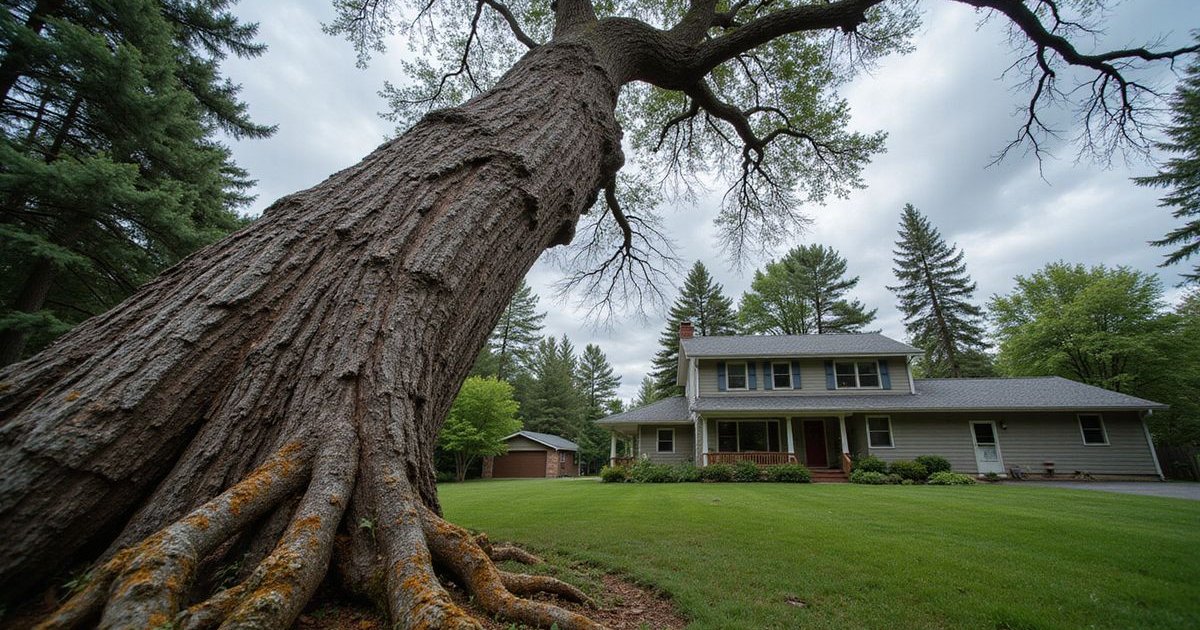
We frequently get calls from homeowners worried about a neighbor’s leaning tree. Minnesota law is very specific on this, and knowing the statutes can save you a lawsuit.
The Property Line Rule: You have the right to trim any branches that hang over your property line, but you cannot cut the tree down or trim it so aggressively that you kill it. If you kill a neighbor’s tree, you can be liable for “treble damages” (three times the value of the tree) under Minnesota timber trespass laws.
Boundary Trees: If the trunk is physically touching the property line, that tree is common property. You cannot touch it without your neighbor’s consent.
The “Act of God” Principle: If a healthy tree from your neighbor’s yard falls on your garage during a storm, that is usually an “Act of God,” and your insurance pays for it. However, if the tree was visibly dead and you had previously sent them a certified letter warning them of the hazard, they could be found negligent and liable for the damage. For more details on handling fallen trees, see our storm damage insurance claim guide.
Partnering With a Local Expert
Most reliable tree removal service providers in Duluth know these maps by heart. When you request an estimate, a good arborist should be able to spot potential permit issues immediately.
At Northshore Tree Service, we check the zoning overlay for every single job address before we schedule work. Our team can help you identify if your property falls within a Shoreland or Skyline district and can even handle the debris disposal in full compliance with St. Louis County EAB quarantine rules.
Do not guess when it comes to city regulations. The cost of a permit is a fraction of the cost of a fine. If you are unsure about a tree on your land, give us a call or contact the city’s Planning Department to get the facts first.
Frequently Asked Questions
Do I need a permit to prune a tree in a Shoreland zone? Usually, no. Limited pruning of dead or diseased branches is allowed without a permit. However, “intensive clearing” or removing whole trees typically requires a Vegetation Management Plan.
Can I plant trees in the boulevard myself? No. The city does not allow citizens to plant trees in the right-of-way. You can, however, contact the Forestry division to request a tree be planted during their next planting cycle.
How do I check if I am in a quarantine zone? As of 2026, the entire City of Duluth and St. Louis County are inside the EAB quarantine zone. You should assume restrictions apply to your ash wood.
Who is responsible for trees in the alley? This is tricky. Alleys are public right-of-ways, but vegetation maintenance often falls to the adjacent property owner. If a tree is blocking alley traffic, the city may trim it, but generally, you should report alley obstructions to the City Forester.
Protect Your Property and Our Canopy
Understanding these rules does more than just keep you out of trouble; it protects the unique landscape that defines Duluth. Whether you are dealing with a dangerous ash tree or planning a construction project near the lake, taking the time to verify your permit status is the smart first step.
At Northshore Tree Service, we make compliance part of every project plan. Reach out to us today for a consultation, and let us handle the hard work of keeping your property safe and legal.
Need Professional Tree Service?
Call our ISA Certified Arborist for a free estimate. Serving Duluth, MN and the North Shore.
Call (218) 555-0391